Systems | Development | Analytics | API | Testing

The Three Pillars Were Built for Humans

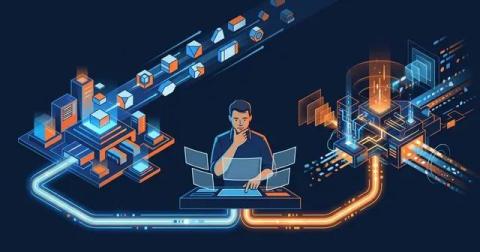
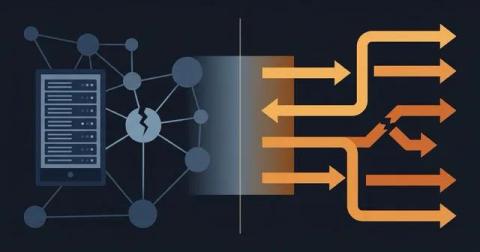
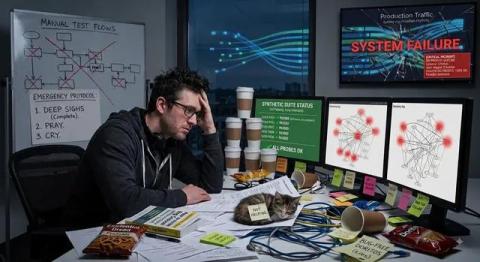
It was 2am and I was paying for the privilege. Something was on fire in production, and I’d done the modern thing: I pointed an AI agent at it. It ingested the dashboards. It read the logs. It walked the traces. Then it handed me back a beautifully formatted paragraph that said, in effect, “latency is elevated on the checkout path.” I knew that. The page told me that.

Which Bugs AI Agents Fix Better With Traffic

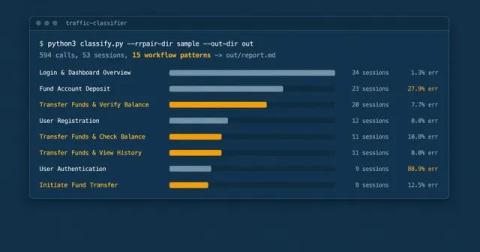
In the first experiment, I wanted a baseline: if an AI coding agent gets the same production signal a human would get, can it fix bugs in a codebase it has never seen? Yes, but only when I gave it better context. With only an alert, the agent passed 51% of the runtime tests. When I added captured traffic, the actual request and response for the failing call, it climbed to 77%. This post is the second pass.

7 Ways Power Cables Affect Data Center Performance and Uptime

Data centers are the backbone of the digital economy. Every second of downtime can cost a business thousands of dollars - and in some cases, damage its reputation beyond repair. While most conversations around uptime focus on servers, cooling systems, and redundant networks, the role of power cables is often overlooked. Yet these humble components sit at the heart of every data center's reliability.

The Perforce Delphix DevOps Data Platform Explained in Under 3 Minutes

Software teams move fast — until they hit a data bottleneck. Meet the Delphix DevOps Data Platform from Perforce. Delphix automates the delivery of compliant, production-quality, and AI-ready data so teams can validate and release software at AI speed. With Delphix, you can: Provision and refresh virtual datasets in minutes, not days or weeks. Automatically discover and mask sensitive data while preserving relationships across systems.
Sponsored Post

The Kubeshark Workflow That Doesn't Stop at the Dashboard

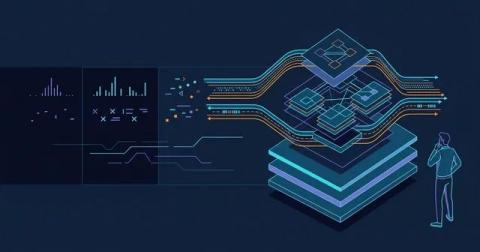
The Observability Gap shows up the moment you try to reproduce a production bug locally. Your traces tell you a request was slow. Your logs tell you which line printed. Neither tells you what was actually on the wire: the headers, the JSON body, the surprise field your client started sending last Tuesday. Until now, closing that gap meant SSHing to a node, attaching a debugger, or shipping a sidecar through change review.

React Native New Architecture and OTA Updates: What Teams Need to Know in 2026

The React Native New Architecture is no longer optional. From React Native 0.82 onwards it is mandatory, the legacy architecture is gone, and every team still running it is now carrying technical debt that will need to be resolved. For most teams, the migration conversation quickly turns to tooling. Does our CI/CD pipeline still work? Does our crash reporter still integrate correctly? Do our analytics tools need updating?