Systems | Development | Analytics | API | Testing

Let Your LLM Debug Using Production Recordings

Modern LLM coding agents are great at reading code, but they still make assumptions. When something breaks in production, those assumptions can slow you down—especially when the real issue lives in live traffic, API responses, or database behavior. In this post, I’ll walk through how to connect an MCP server to your LLM coding assistant so it can pull real production data on demand, validate its assumptions, and help you debug faster.

Speedscale vs. LocalStack for Realistic Mocks

API mocking plays a crucial role in modern software development allowing developers to simulate external API endpoints. It’s an effective way to isolate your application for testing and ensure that code changes don’t inadvertently break critical dependencies. Essentially, API mocking helps you create robust, reliable software by allowing you to test how your application interacts with external services.

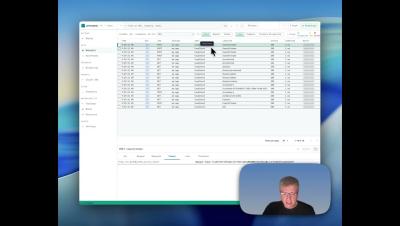
How to Do Full-Text Search Across All Application Traffic with Speedscale

Modern DevOps observability tools are excellent for monitoring system health, tracking distributed traces, and aggregating metrics. However, they lack the fidelity needed for full-text search across application traffic. While observability platforms excel at showing what happened and when, they often fall short when you need to find where a specific piece of data (like an email address, user ID, or transaction token) appears as it flows through your entire application stack.

Is Kubernetes actually HARD? #speedscale #kubernetes #k8s #devops #cloudnative

Thinking about learning Kubernetes in 2026? You’ll need GitOps, kubectl, and CI/CD pipelines... OR you can just use Speedscale. See how a single operator replaces a million dependencies and gives you the traffic insights you actually need to survive production.

Kubernetes is Hard. Here is the "Easy Mode" for 2026

Is Kubernetes actually hard, or are we just using the wrong tools? In 2026, the Kubernetes ecosystem has become a "dependency jungle." Between GitOps, YAML configuration, kubectl mastery, and complex CI/CD pipelines, developers are spending more time managing infrastructure than writing code. In this video, Ken breaks down the "hard parts" of K8s and introduces a more efficient workflow using Speedscale. Learn how to gain instant visibility into your cluster, pull logs without the headache, and turn real-world traffic into actionable load tests.

Kubernetes Load Testing Made Easy with Speedscale

Everybody knows working with Kubernetes is really hard. It’s highly complicated. You have to know how to work with YAMLs, there’s lots of stuff to deal with. The classic developer experience with YAML. But what if you could get complete visibility into your Kubernetes workloads and run realistic load tests without touching a single YAML file or running kubectl commands?

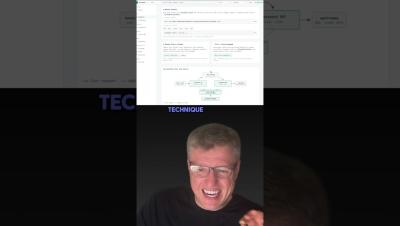
Why gRPC is a Debugging Nightmare #speedscale #observability #grpc #testing #devops

gRPC is fast and efficient - until it breaks at 2:00 AM. Traditional observability tools are built for HTTP/1.1 and JSON. When you switch to gRPC, you’re dealing with binary Protobuf payloads and HTTP/2 multiplexing that most logs and traces simply weren't designed to handle. Speedscale flips the switch by decoding Protobuf directly into human-readable JSON in real-time. Get the speed of gRPC with the visibility of REST.

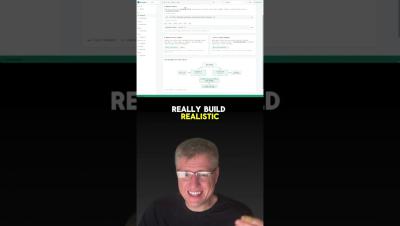
3AM Pager: When You Know the Data but Can't Search It

Ever tried searching your entire production stack for one user? Getting paged at 3 AM is bad enough. It’s worse when you only have a single username and zero visibility into what’s actually happening across your microservices. With Speedscale, you can perform full-text searches across every API call and database interaction in real-time. Stop guessing and start debugging with total context.