Systems | Development | Analytics | API | Testing

Sponsored Post

The Kubeshark Workflow That Doesn't Stop at the Dashboard

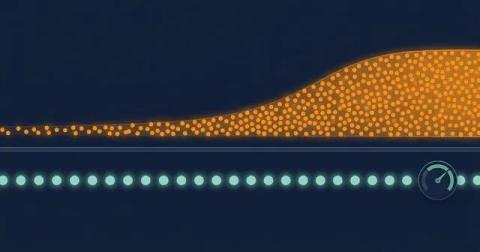
The Observability Gap shows up the moment you try to reproduce a production bug locally. Your traces tell you a request was slow. Your logs tell you which line printed. Neither tells you what was actually on the wire: the headers, the JSON body, the surprise field your client started sending last Tuesday. Until now, closing that gap meant SSHing to a node, attaching a debugger, or shipping a sidecar through change review.

React Native New Architecture and OTA Updates: What Teams Need to Know in 2026

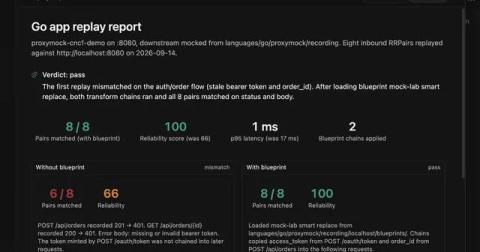
The React Native New Architecture is no longer optional. From React Native 0.82 onwards it is mandatory, the legacy architecture is gone, and every team still running it is now carrying technical debt that will need to be resolved. For most teams, the migration conversation quickly turns to tooling. Does our CI/CD pipeline still work? Does our crash reporter still integrate correctly? Do our analytics tools need updating?

Beware of PII in Testing Data: The Security Iceberg and Where PII Actually Hides

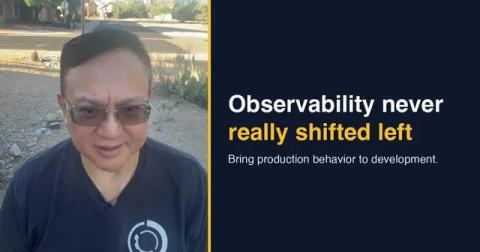
If you run a platform tools or security team, you have likely heard this request from developers: “I just need a copy of the production database for staging so I can run realistic load and integration tests.” It is a completely reasonable request. Production traffic and data contain the actual request shapes, real-world value distributions, long-tail anomalies, and timing patterns that make tests useful.

Five things your logs will never tell you

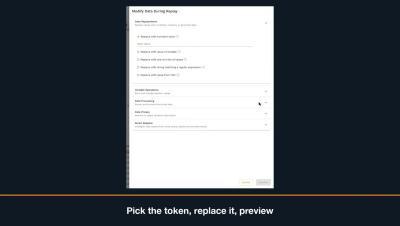
A customer escalation hit my queue when I was on the customer smoke jumpers team at an observability vendor. My team was the group that parachutes into Fortune 500 accounts one bad week from churning and usually after a big customer outage. The customer had filed a billing dispute three weeks earlier and their on-call engineers were stuck. They had our full stack: logs, metrics, traces, end-to-end instrumentation, every product we sold and some we didn’t. They could see the request came in.