
Systems | Development | Analytics | API | Testing

Unlock Greater Insights and Productivity using AI in Appian 24.3

In 24.2, we introduced our enterprise copilot. Enterprise copilot allows you to upload business documents and collect them in knowledge sets. From there, you can ask questions about information in these documents and receive answers quickly. For instance, an organization with a heavy regulatory burden could upload legislative and operational documents. Then, these employees could get insights from Appian AI Copilot to ensure they adhere to compliance requirements.

Low-code vs No-code vs True Low-code ETL Platforms- 360 Degree Overview by a Sales Engineer

Ramkumar Nottath, the Senior Solutions Architect at AWS, beautifully puts it. And that’s where low-code or no-code ETL platforms can help—to make the data consumable and democratize it. In this blog, I explain low-code vs. no-code from my experience.

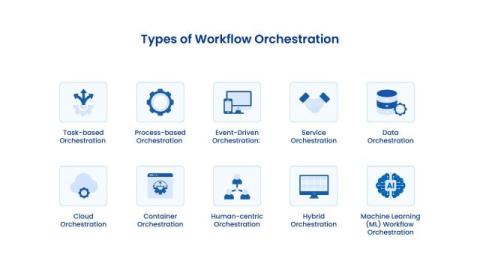
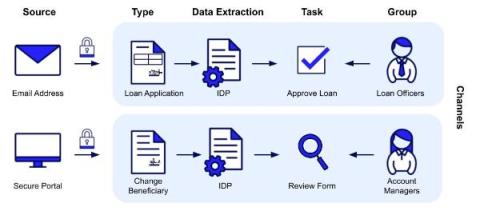
What is Workflow Orchestration? A Complete Guide

Workflows determine how organizations conduct processes. These workflows can initially be very straightforward—just a simple series of steps that must be completed sequentially to achieve a particular outcome. However, the steps can become more complicated as business processes and requirements become more extensive. Your organization needs to keep these workflows running smoothly even as they become more complicated.

Want to Succeed in the AI Economy? Embrace AI Workflow Automation

Ready or not, AI workflow automation is poised to transform business operations from the shop floor to the C-suite in the AI economy. As organizations embrace digital-first initiatives, IT teams will be able to do much more with less. The situation is a byproduct of the generative AI boom. And yet, so many companies have hardly scratched the surface of AI automation’s full potential in their business operations.

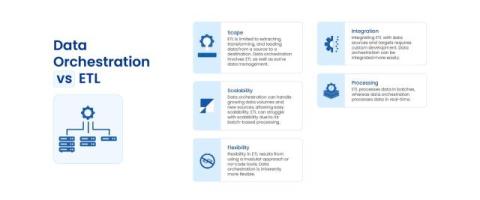
What is Data Orchestration? Definition, Process, and Benefits

The modern data-driven approach comes with a host of benefits. A few major ones include better insights, more informed decision-making, and less reliance on guesswork. However, some undesirable scenarios can occur in the process of generating, accumulating, and analyzing data. One such scenario involves organizational data scattered across multiple storage locations. In such instances, each department’s data often ends up siloed and largely unusable by other teams.

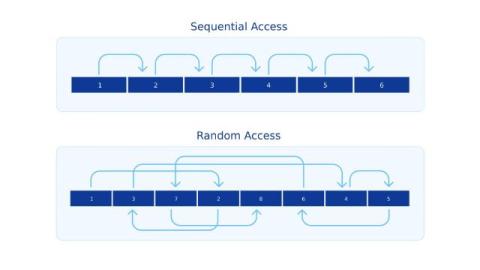
A Complete Guide to Managing Data Access

With organizations prioritizing data-driven decision-making, the amount of collected and stored data is reaching historic highs. Meanwhile, organizations are democratizing access across all functions to convert this data into actionable insights. Since more users will work with sensitive data, ensuring secure access is more important than ever. Organizations must regulate and maintain the relationship between their data assets and users. Why?

What is Process Orchestration? A Complete Guide

Process orchestration, also called business process orchestration, is an approach to manage and organize multiple automated tasks or workflows within a business process, like ETL process orchestration. It involves coordinating data extraction, transformation, and loading tasks across various systems to create a unified data source.

What is Data Modernization? Benefits, Importance & Components

Data modernization transforms an organization’s data into more usable and accessible formats, making it usable by modern applications and systems, such as cloud-native applications, IoT devices, and mobile applications. Data modernization also includes extracting, cleaning, and migrating the data into advanced platforms.

Software Factories vs. Citizen Development for Government Software Innovation

In the fast-paced world of government software development, efficiency and effectiveness are paramount. One way government organizations enhance agility, foster innovation, and optimize resources in the public sector is through citizen development—the practice of allowing non-technical employees to create their own software applications using low-code or no-code platforms.