After a year packed with one machine learning and data science event after another, it’s clear that there are a few different definitions of the term ‘MLOps’ floating around. One convention uses MLOps to mean the cycle of training an AI model: preparing the data, evaluating, and training the model. This iterative or interactive model often includes AutoML capabilities, and what happens outside the scope of the trained model is not included in this definition.
Artificial Intelligence (AI) has revolutionized how various industries operate in recent years. But with growing demands, there’s a more nuanced need for enterprise-scale machine learning solutions and better data management systems. The 2021 Data Impact Awards aim to honor organizations who have shown exemplary work in this area.
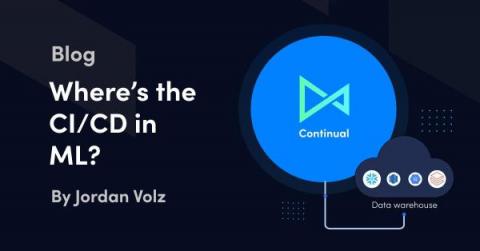
It’s easy to take continuous integration (CI) and continuous delivery/deployment (CD) for granted these days, but these have been transformational concepts that have drastically changed the face of software development over the past thirty years.
While CI/CD is synonymous with modern software development best practices, today’s machine learning (ML) practitioners still lack similar tools and workflows for operating the ML development lifecycle on a level on par with software engineers. For background, follow a brief history of transformational CI/CD concepts and how they’re missing from today’s ML development lifecycle.
Machine learning (ML) models have become key drivers in helping organizations reveal patterns and make predictions that drive value across the business. While extremely valuable, building and deploying these models remains in the hands of only a small subset of expert data scientists and engineers with deep programming and ML framework expertise.