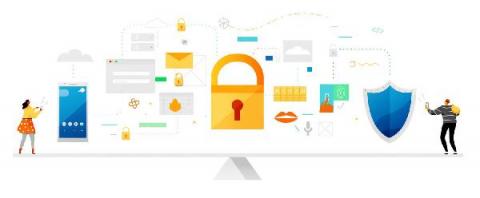
Personal Identifiable Information (PII) has become a headache for most digital-first businesses in recent years. Everyone agrees we need rules to keep personal data safe, but there’s no universal PII Data Protection Act we can all follow. Instead, there is a worldwide patchwork of regulations, many of which have global implications. Sweden is one of the pioneers in data security laws.
Cybercriminals are currently enjoying a golden age. The sudden shift to remote working, combined with the digitization of everyday life, means endless opportunities to compromise systems and access sensitive data. If you don't want your organization to be their next victim, you must have to know how to prevent data breaches.
According to the Ponemon Institutes, "Cost of a Data Breach" report, a data breach's total global cost averaged $3.86 million in 2020. However, a data breach's implications go far beyond financial losses; it can severely hinder an organization's operational capacity and compliance structures.
We’re continuously releasing new capabilities to enable more people to be productive and compliant when working with Apache Kafka. Our engineers have been hard at work on a great Christmas present for our amazing community of Kafka users. Before unwrapping our latest and greatest release, here’s a sneak peak of what’s inside.
We’re happy to announce that we’ve successfully completed PCI (Payment Card Industry Data Security Standard) Service Provider Certification. This means that at Logit.io we are committed to the security of storing, processing and transmitting credit card transactions.
Large and small businesses face daily reminders that their data’s security is under attack by digital pirates, hackers, and cybercriminals. These threats require an immediate response, whether it's an unexpected hacking threat or a newly discovered database vulnerability. In this guide, we’ll help you understand these threats and how to prevent them in 2021.
In the previous post, we talked about Kerberos authentication and explained how to configure a Kafka client to authenticate using Kerberos credentials. In this post we will look into how to configure a Kafka client to authenticate using LDAP, instead of Kerberos. We will not cover the server-side configuration in this article but will add some references to it when required to make the examples clearer.
As part of our ongoing commitment to supporting Government regulations and standards in our enterprise solutions, including data protection, Cloudera recently introduced a version of our Cloudera Data Platform, Private Cloud Base product (7.1.5 release) that can be configured to use FIPS compliant cryptography.