Systems | Development | Analytics | API | Testing

Architectural Visualization with Unreal Engine: Trends, Challenges, and Workflows

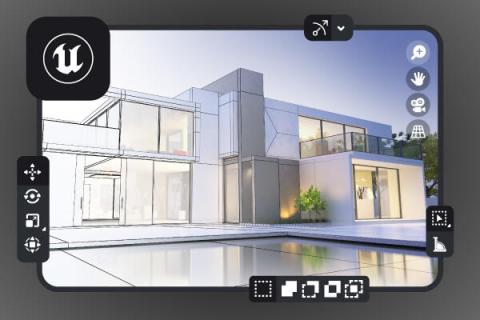
Architectural visualization, or archviz, has shifted rapidly from static 2D renders to immersive 3D experiences that have transformed how architects, designers, and developers communicate their vision. Using this technology, a development team can “walk” clients through hyper-realistic replicas of an office headquarters or residential complex well before ground is ever broken.

Completing, Integrating, and Publishing Our Game with DragonRuby

In part one of this series, we started developing a simple Flappy Bird clone game using the DragonRuby game development toolkit. We didn't come very far, though — we stopped after integrating player input to keep our plane afloat. In this second and concluding part, we'll implement the remaining simple game mechanics. We'll also take a brief look at interfacing with an HTTP server and publishing our game on itch.io.

An Introduction to Game Development with DragonRuby

The DragonRuby Game Toolkit is a powerful, cross-platform 2D game engine that allows you to create fun game titles while staying in your favorite developer-friendly language. What's not to love? In this post, we are going to cover the basics of game development with DragonRuby. We will use a "Flappy Bird" clone to explain the fundamental concepts. But before we get started, let's address two initial concerns you might have about DragonRuby right off the bat.

The Ultimate Guide to Game Testing: Ensuring a Flawless Gaming Experience

In an age of unprecedented video game popularity, the digital realm has emerged as a pivotal centre for entertainment, social engagement, and immersive enjoyment. This trend is reflected on a massive scale, with the global gaming population projected to reach 3.32 billion players worldwide. The COVID-19 pandemic further expedited this growth.

How to Use Unreal Engine 5 + UE5 Source Control

Unreal Engine 5 is a cutting-edge game engine with real-time rendering capabilities, an extensive asset marketplace (Fab), and advanced features (such as Nanite and Lumen) that enable teams to create hyper-realistic characters and photorealistic digital environments. Unreal Engine's ability to create immersive stories and experiences has made it valuable to a wide range of industries—including gaming, media and entertainment, architecture, automotive design, and more.

Game Tech Summit 2025: Navigating the Future of Games and Media Development

Last week, industry leaders gathered at the Game Technology Summit during GDC 2025 to explore emerging trends and challenges in game development. The panel discussion, moderated by Jase Lindgren (Sr. Solutions Engineer and P4 Evangelist, Perforce), featured insights from Colin Walder (Engineering Director, CD PROJEKT RED), Joshua Orellana (Head of Animation and Games, Halon Entertainment), and Matt Ellis (Game Dev Advocate, JetBrains).

How to Use Perforce P4 & Unity

Learn how to use Unity and Perforce P4 (formerly Helix Core) version control with this step-by-step tutorial by Jase Lindgren, Senior Solutions Engineer at Perforce. Jase will walk you through getting started with Unity and P4—from configuring your server for game engine files to setting up your depot, streams, and workspaces to use with Unity's Perforce Integration. This tutorial is part of our "How to Build Games with Unity + P4" playlist. Watch the rest of the videos to start your version control journey in Unity today.

Real-Time Toxicity Detection in Games: Balancing Moderation and Player Experience

Toxic player behavior will drive players away from an otherwise successful game. While friendly banter and trash talk can build camaraderie, context matters—as what’s okay among longtime friends might be harassment to a stranger. How can studios create a positive atmosphere for all while still allowing friends to have a little fun at each other’s expense?