The business world is rapidly pivoting all the time. Strategic shifts, reprioritization and being first all require being smart while moving fast. The value of agility has never stood out more due to the need to react to new realties in everything from public health, remote and in-office business policies and workflows, to broader economic concerns like supply chain as we move into recovery and revitalization.
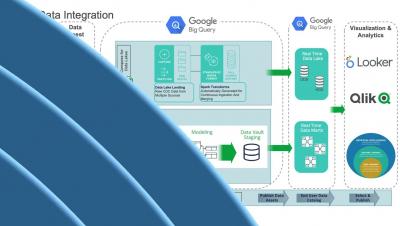
There is an explosion of data from a myriad of sources and an insatiable demand to consume it. Traditional manual ETL methods are too brittle to keep up. Leaving many a BI team struggling to provide meaningful business insights quickly.
The ability to discover insights from past events, transactions and interactions is how many customers currently utilize Qlik. Qlik’s unique approach to Business Intelligence (BI) using a unique analytics engine and intuitive interface has democratized BI for typical business users, who usually have little to no technical savvy.
The phenomenon of web-based, at-your-door-in-minutes, restaurant food-delivery service is widespread and commonplace nowadays, with various apps and platforms, such as Grubhub or DoorDash, providing diners with an at-home eating experience – look up a restaurant, choose what you want to eat, and your food is on its way. The same can be said about grocery shopping.
In some of my earlier blog posts, I’ve gone through some more novel visualizations, such as the Sankey chart and distribution plot. But, for this post, it’s time to go back to the more common Combo chart, also sometimes referred to as a dual axis chart.