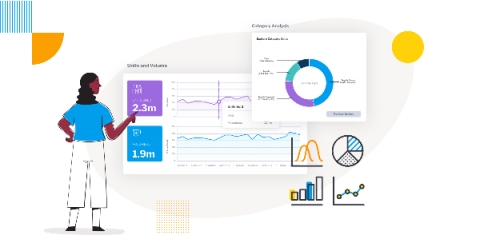
Automate data pipelines with BigQuery's new data engineering agent

For years, data teams have relied on the BigQuery platform to power their analytics and unlock critical business insights. But building, managing, and troubleshooting the data pipelines that feed those insights can be a complex, time-consuming process, requiring specialized expertise and a lot of manual effort. Today, we're excited to announce our vision, a major step forward in simplifying and accelerating data engineering with BigQuery data engineering agent.

From Reactive to Orchestrated: Building Real-Time Multi-Agent AI With Confluent

We're entering a new era of artificial intelligence (AI), where intelligence isn't just reactive; it's orchestrated. At Agent Taskflow, we're pioneering a new class of systems: multi-agent orchestration platforms. These systems empower teams of AI agents to coordinate, think, reason, and act in concert—just like human teams. But building these systems at scale requires something most AI platforms overlook: real-time, observable, fault-tolerant communication.

Agentic AI vs Generative AI: Understanding the Key Differences

You’ve probably interacted with AI more times than you can count—whether it’s getting a movie recommendation, using an AI-powered chatbot, or watching AI-generated content. But have you ever stopped to think about how these AI systems actually work? Not all AI is built the same way, and two key paradigms are emerging as game-changers: Agentic AI and Generative AI.

What is a Multi Agent System? Types, Application and Benefits

AI has evolved from simple rule-based systems to models capable of understanding language, generating images, and even assisting in complex decision-making. Yet, most AI systems still operate as a single, standalone entity. But what if AI could work like a team, where each agent brings its own strengths to the table? Multi-agent systems (MAS) make this possible by enabling real-time interaction and coordination among intelligent agents.

EP 20 | The Path to Safe AI - Education with Peter Norvig

In this episode of The AI Forecast, host Paul Muller speaks with Peter Norvig, an education fellow at Stanford and the co-author of Artificial Intelligence: A Modern Approach, the leading textbook for AI education. Peter explores the critical role of accessible, up-to-date AI education in building skilled practitioners, guiding policy, and fostering public understanding. Listen in as they explore concepts like "AI literacy" and unpack why continuous learning is essential to keep pace with technological change—and how it can help us build a more informed, ethical, and responsible AI future.

10 Agentic AI Examples (Use Cases) for Enterprises & How To Build Them

AI is no longer just a tool. It is now handling complex tasks with minimal human intervention and oversight. This transformative shift has given rise to agentic AI, where AI-powered systems make decisions, adapt to new information, and automate workflows across departments. From answering customer inquiries to managing financial data, these AI-driven agents are reshaping how businesses operate.