
Systems | Development | Analytics | API | Testing

How to Use GraphQL with Angular Using Apollo Client

You’ve probably heard of the concept of ‘Frontend decides, backend delivers’ in app development. On the off-chance that you haven’t, it means that the frontend defines the data it needs, and the backend acts on this instruction. This makes the data-fetching process more efficient, simplifies the error handling process and frees us, the devs, from the need to constantly make backend changes. The GraphQL query language for APIs, developed by Facebook, is a vital tool in this regard.

How To Use Python Code For Pulling API Data Efficiently

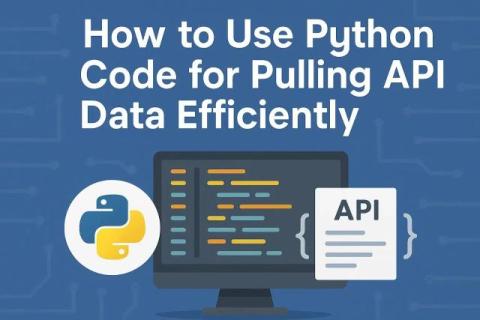
Do you ever feel like you need a superpower to get the information you need? Especially when you’re really into Python? APIs are pretty much that superpower! APIs (Application Programming Interfaces) let your code "talk" to other systems and get exactly what you need. They can help you come up with a new app, find the next big market trend, or even automate your morning weather report. This guide?

Data Consistency in Sharded APIs: Key Integration Patterns

Struggling with data consistency in sharded APIs? Here's what you need to know upfront: Data sharing improves performance by dividing data across multiple databases, but it introduces challenges in maintaining consistency. Consistency models matter: Choose between strong consistency (immediate accuracy, higher latency) and eventual consistency (temporary inaccuracies, higher performance).

APIs Over IPAs 19: API Product Management with Emmanuel Paraskakis, Level 250

In this episode, Emmanuel Paraskakis, CEO Level 250 breaks down the core responsibilities of an API product manager. Speaking from his experience in product management for over fifteen years, Emmanuel distinguishes an API product manager’s focus from conventional product roles, underscoring their critical importance in building scalable digital platforms.

Using Moesif for API Observability and Analytics in NGINX One

NGINX One provides a modern solution for enterprises to manage infrastructure at scale across globally distributed systems. The platform has built-in tools for essential performance and uptime metrics, giving DevOps teams visibility into the health of their NGINX instances. But for effective API observability and analytics, you have to go beyond infrastructure metrics.

How to ensure your AI projects are production ready

Join Kong HQ for an insightful LinkedIn Live session titled "How to Ensure Your AI Projects Are Production Ready." As AI continues to transform industries, moving from experimentation to deployment is one of the biggest challenges organizations face. In this session, our experts will dive into what it truly means for an AI project to be "production ready," discussing essential practices around scalability, reliability, governance, and observability.

Breaking Down Silos: Aligning QA, Dev, and DevOps to Build Better APIs

Software release cycles are accelerating. In fact, 85% of organizations now release at least once per month, with a 51% increase in automated testing spend last year alone. Yet API quality still breaks down. Why? APIs sit at the center of this acceleration, but as velocity increases, many organizations face a persistent challenge.

When To Use A List Comprehension In Python

To be honest, most Python developers are not using list comprehensions. Even I, who is writing this blog, never used list comprehensions before. But when I saw some examples, I felt I had to try and use them in my Python code. The reason for this change of mind is that there are a few advantages we get if we implement list comprehensions. Let’s see what these are in this blog today.

Platform Engineering Vs Devops: Difference In 2025

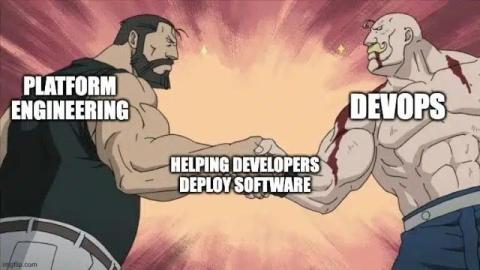
Let’s start with DevOps, the buzzword that changed how we think about building and shipping software. These days, every college student and other professional wants to become a DevOps engineer. If you are an aspiring DevOps engineer or already working as a DevOps engineer, this blog will help you understand the difference between Platform engineering and Devops Platform engineering is really changing every company’s perspective on developing platforms.