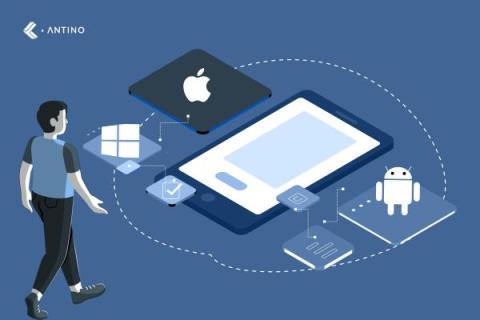
APIs play a crucial role in SaaS product’s ability to communicate with internal and external applications. APIs have revolutionized the ways in which applications communicate, exchange data, and how software developers and providers structure their systems and products. But managing the large flow of data and information while ensuring data protection and minimal downtime is no easy task.
Customer service is an art—and a science. It isn’t just a transactional function. It's also a relationship building activity that’s deeply tied to physiological responses in our brains. And the stakes are high: these interactions shape the neural architecture of customer loyalty. So can you use AI for customer service? Let’s explore that question.
As the connecting blocks of modern data communication, webhooks and APIs play pivotal roles, yet their distinctions are often blurred. Delving into their underlying mechanisms, functionalities, and use cases, after this blog post you will fully master the difference between webhooks and APIs. By unraveling the intricacies of these technologies, this explorative post serves as a resource for anyone looking to navigate their landscape of data integration and communication protocols.
The heart of SaaS innovation in the modern era is API technology, connecting one digital tool to another seamlessly. As APIs have taken center stage, the term “API Developer Portal” has become more than just a buzzword—it’s a crucial element in the realm of software development and the easiest way to ensure seamless connectivity.
Application Programming Interfaces (APIs) are the glue powering SaaS application connectivity. However, ensuring smooth operation of APIs requires more than just implementation; vigilant oversight and alerting can make or break your API products.
File manipulation is an incredibly common programming task with endless applications. It has two main sides: reading and writing. This post will focus on the “reading” bit, so if you’ve just googled “C# read file” and ended up here, search no more—we have the guide you need! We’ll start by covering some prerequisites you need to follow, then dive right into the guide.
The US government software modernization policy encourages federal agencies, including the Department of Defense (DoD), to leverage investments already made in application development and authorizations to operate (ATOs). The goal of repurposing existing, working applications is to enable agencies to reduce development time and costs by leveraging software that has been purchased and implemented by another team.