

Systems | Development | Analytics | API | Testing

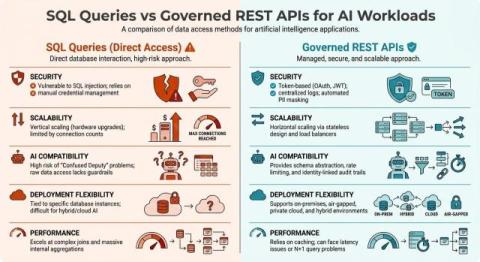
Why we built a dedicated SDK for realtime AI streaming

If you've built a conversational AI feature, you know the pattern. Client sends a message, backend calls a model, response streams back over HTTP. SSE mostly, or WebSockets if you need bidirectional. For a single user on a single device, it works well. The trouble is the best AI products right now have moved well past that.

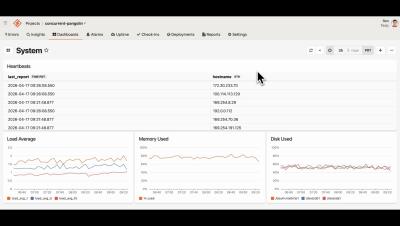
Honeybadger Insights Parameterized Queries

Make your Honeybadger Insights system dashboards dynamic with parameterized widget queries. In this walkthrough, Ben shows how to take a dashboard built from data reported by the Honeybadger CLI agent — load average, memory used, disk used across a fleet of hosts — and filter the whole view down to a single host with one parameter. What you’ll see: One dashboard, many views — no duplicate widgets, just a shareable URL.

Choosing the right HPC Optimization Strategy and Key Challenges

The cost your CFO sees and the cost your CFO does not! This article is worth your time! Your CFO sees the invoice. Rack space. Cooling infrastructure. Software licenses. Network bandwidth. The quarterly HPC bill lands on the desk, gets reviewed against the budget, and moves on. But here is the question that rarely makes it into that review: How much of that infrastructure investment is actually working for you?

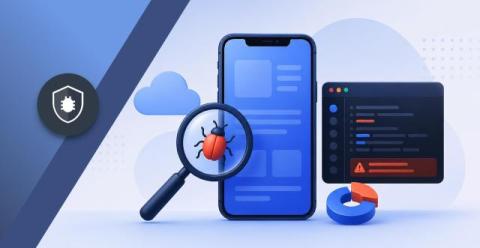
Xcode Guide: What It Is and How to Get Started

Xcode is the default development environment for building apps on Apple platforms. If you’re creating iOS, macOS, watchOS, or tvOS apps, you’ll end up in Xcode – whether you planned to or not. Xcode is powerful, reliable and intuitive. But it’s also opinionated. Learning how it expects you to work is often the difference between feeling productive and stuck.

What Makes Property Valuations Reliable (and How to Get an Accurate One in PropTech)

Accurate property valuations are critical for almost every real estate decision — from brokerage operations and investment analysis to listing pricing, lending workflows, and instant home valuation widgets in PropTech platforms. They are designed to bring clarity. In practice, different tools, portals, and AVM‑powered products may produce different numbers for the same property. Sometimes they are closely aligned, sometimes they diverge significantly.

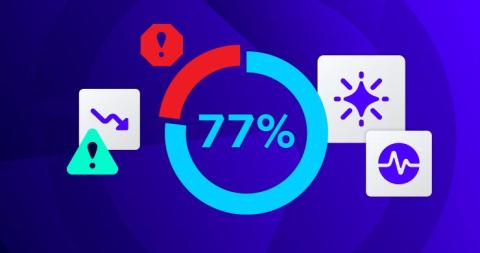
The Great Disconnect: Why 77% Confidence in AI Results Is a Major Business Risk

According to the Perforce 2026 State of DevOps report, 77% of organizations express high confidence in the outputs generated by their artificial intelligence systems. Yet, this widespread optimism masks a critical vulnerability. While executive confidence in AI results remains high, only 38% of organizations have embedded AI deeply across their delivery stages. Plus, only 39% maintain the fully automated audit trails required to verify these results.

GDPR vs EU Data Act: Key Differences

Find out the key differences between GDPR (focused on data privacy) and the EU Data Act (focused on data ownership and portability). In this clip from the OpenLogic webinar, "Navigating EU Compliance: Open Source Strategies for Digital Sovereignty and Resilience", Perforce CISO Aaron Kiemele explains that contract clauses locking data into proprietary silos are now hard to enforce, and businesses must have credible, tested plans to exit a software platform if data policy or residency requirements shift.

EU AI Act: What Businesses Need to Know

Get information about the practical compliance requirements of the EU AI Act, the first AI regulatory framework with real enforcement teeth. In this clip from OpenLogic's webinar "Navigating EU Compliance: Open Source Strategies for Digital Sovereignty and Resilience", Perforce CISO Aaron Kiemele walks through classifying AI systems by risk level, establishing human oversight and audit trails, and documenting training data provenance — while noting that these steps are straightforward but frequently overlooked by organizations.