

Systems | Development | Analytics | API | Testing

Stop Subsidizing Innovation, Start Monetizing It

The ‘AI Credit’ Economy: GitHub’s Pricing Shift Is the Beginning, Not the Exception *GitHub just sent waves of budget panic across its developer base. Seat-based Copilot pricing is out. Consumption-based credits are in. And if you're building an AI-driven product today on flat-rate pricing? You're building a problem into your roadmap.* Seats aren't going away, but they now fund a shared pool of AI credits (one credit = one cent) instead of unlocking uncapped use.


Two Wheels, One App: The Complete Guide to E-Scooter App Development

‍It’s 8:47 AM in downtown Bangalore. A professional in a crisp blazer books a sleek electric scooter in seconds from his phone. He arrives at his office building in 11 minutes, the same commute that would have taken 40 minutes by car. Half a world away in Paris, a tourist taps her way through the Lime app to zip from the Marais to the Eiffel Tower without a single transfer. In Austin, a grad student ends her morning run, grabs a Bird scooter from the nearest docking zone, and heads to campus.

The Role of Microservices in Digital Banking Transformation: Architecture, Migration & Implementation Guide (2026)

A customer opens a banking app at 9:02 AM to check a failed payment. The balance looks wrong. Support says, “It’s a system delay.” The transaction finally reflects several hours later. That’s not a UX problem. It’s an architecture problem. Traditional banks still run on tightly coupled, monolithic systems designed for batch processing, not real-time expectations. But customers today compare banking experiences to Google Pay or Apple Pay, not legacy core systems.

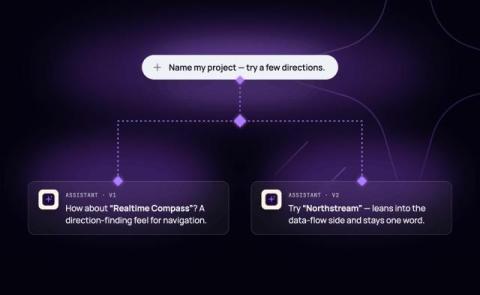
Conversation tree branching in @ably/ai-transport

Picture a developer pair-programming with an AI assistant. The model returns a function that almost works. The developer asks it to try again. The second attempt is worse. They want the first one back. In a linear chat, that history is gone, or it's a third bubble in the thread that pollutes context for every future turn.

AI Agent Integration: Gartner Research Confirms Need for AI Control Layer

Three-quarters of enterprises are now piloting or deploying AI agents. But here’s the problem: actually integrating those agents with enterprise applications is proving to be one of the hardest parts of the whole endeavor. The research doesn’t mince words about the challenge. And it maps directly to the infrastructure gap Kong was built to address..

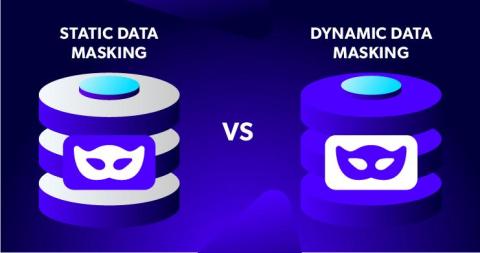
Static Data Masking vs. Dynamic Data Masking: What's the Best Approach?

Data masking comes in different forms: dynamic vs. static masking. Each has its own characteristics, use cases, and methods for data protection. But when it comes to comprehensive, consistent protection, static data masking rises above. In this blog, we’ll break down where dynamic data masking works, how it fails, and which use cases you need to use static masking for.

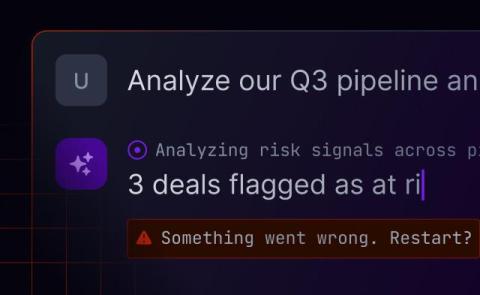
The model is fine. The session is broken.

Take any AI agent demo from the last six months. It works. Now ship it to real users on real networks, real devices, real attention spans. A meaningful share of those users will never finish their first conversation cleanly. Not because the model gave a bad answer. Because the connection dropped, the tab refreshed, the phone took over from the laptop, or the spinner kept spinning forever.

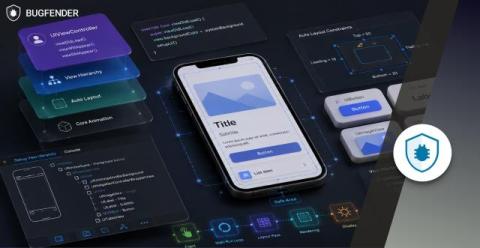
UIKit: The Complete Guide for iOS Developers

UIKit is Apple’s primary framework for building user interfaces on iPhone and iPad. If you’ve read that it’s about to be deprecated, don’t believe the reports. In 2026 UIKit remains as integral to production apps as it’s ever been. In this guide we’ll focus on how UIKit actually works. The lifecycle timing, the navigation structure, the memory management and (our favorite) the production debugging. You’ll find it useful if you’re.