Systems | Development | Analytics | API | Testing

Sponsored Post

Ephemeral Environment Testing: Do you need it?

Traditional testing methods often delay the software development lifecycle, as we have grown used to these outdated processes without considering alternatives. Ephemeral environments introduce a more efficient solution. They allow for the quick creation and dismantling of isolated testing environments. These isolated environments approach leads to faster and more productive development cycles while still delivering high-quality software to users. In this article, we'll explore ephemeral environments, how they work, and why they might be the solution your team needs.

DevOps Implementation Plan: Key Steps, Tools, and Best Practices

Why would a well-running business consider DevOps Implementation? Implementing DevOps promotes swift software building and shipping through iterative outcomes and individual changes. For instance, the team scheduled a midnight deployment. However, an unexpected bug caused a system crash. The team spent hours fixing the issues and restoring services. The next question is, could we have prevented this?

How to Automate Flutter Code Push with Shorebird and Codemagic

In this article, I will introduce the steps to integrate Shorebird with Codemagic CI/CD, using the Codemagic Workflow Editor. You will be able to incorporate a workflow that allows code push of Dart code changes without requiring installation from the store. In the following example, changes to the text displayed in the user interface are reflected immediately.

What Is Shadow Traffic? All You Need to Know

Production traffic can often be unpredictable, and distinguishing genuine user interactions from mere noise becomes a pivotal step in comprehensively grasping the types of requests and workflows occurring within your deployment. One important concept to explore in this context is shadow traffic, which plays a significant role in analytics and cybersecurity but is often misunderstood or rarely discussed.

Using Python MockServer for API Testing

Using a mock server is a popular method of working around these limitations and realities, allowing you to test web server assets against specific requests, ensuring that your response data matches the expected outcome. Today, we’re going to look at a powerful solution for Python clients in the form of MockServer. We’ll walk through the tool’s basics and learn how to use it for your own testing.

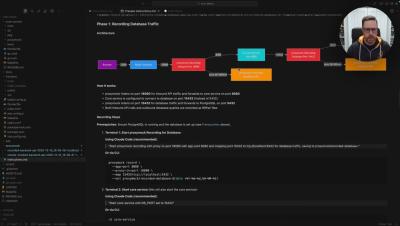
Intro to proxymock, a free traffic-based service mocking tool within VS Code.

Speedscale's proxymock is a free VS Code plugin that passively listens to transactions, so developers can replay past responses or inbound transactions like a time machine. Past transactions can serve as non-rate-limited service mocks, editable databases, or even regression/load/chaos tests. Building service mocks to serve as service virtualization/mocks can be time consuming and manual. Maintaining complex, shared environments for engineering incurs expensive cloud costs and aren't often accurate.

Ultimate Guide to Creating a JSON Mock API for Testing

Using a JSON mock allows you to avoid using fake data or simulating interactions, resulting in better final output and stronger data flows. Today, we’re going to dive into the process of creating a mock API using JSON data and tools like JSON-server. This guide will help you understand the basics of this process and get started quickly with your own mock API, allowing you to speed up development and testing without relying on a live backend.

6 Best Developer Productivity Tools for 2025

Software development is a demanding field that requires precision, efficiency, and collaboration. Developers juggle various tasks, including writing code, debugging, testing, version control, and deployment. Without the right set of tools, inefficiencies can creep in, slowing down progress and reducing code quality.

What is Shift Left Testing and Its Importance in DevOps

Why wait for some issues to occur when it is possible to address them before they arise? Conducting tests at the earlier stage of development apart from being time and cost-efficient, also provides a better quality for the subsequent stages. This is where shift left testing comes into the picture, which re-orientates your perceptions towards the way of app development entirely without having issues. Shift Left Testing is a software testing approach that tests early in the software development life cycle.