We collect the latest Development, Anaytics, API & Testing news from around the globe and deliver it direct to your inbox. One email per week, no spam.
If you’re looking for an alternative to Microsoft App Center, this article will cover the top considerations, and how Sauce Labs handles these in its Mobile App Distribution offering.
Notifications muted. Social media logged out. Phone flipped face down. Sounds familiar? Well, in a world buzzing with digital distractions, many of us have tried going off the grid by deactivating apps, turning on airplane mode, or even attempting a full-blown digital detox. But let’s be honest, is that truly sustainable? For years, smartphones have been labeled as the root cause of stress and reduced productivity.
Model Context Protocol (MCP), introduced by Anthropic, is a new standard that simplifies artificial intelligence (AI) integrations by providing a secure, consistent way to connect AI agents with external tools and data sources. When we saw MCP’s potential, we immediately started exploring how we could bring real-time data streaming into the mix. With our long history of supporting open source and open standards, building an MCP server was a natural fit.
A data lakehouse is an innovative data architecture that blends the strengths of data lakes and data warehouses into a single, cohesive system. It retains the cost-effectiveness and flexibility of data lakes while incorporating the structured data management and performance optimization capabilities of data warehouses.
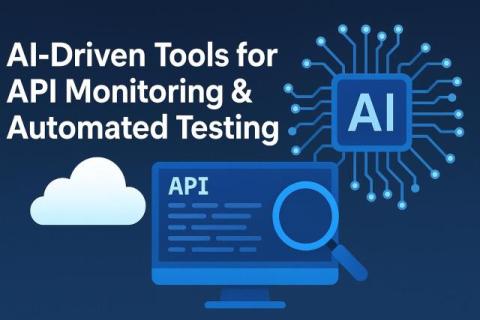
APIs power everything—from your favorite apps to critical business systems. But what happens when your API is subjected to large or unexpected traffic, security threats, or plunges under load? One weak link can destroy UX, destroy data or take down your service. API testing serves as your safety system beyond being a mandatory requirement. Faster development schedules and increased user demands during 2025 require organizations to make essential testing tool choices.
Volume testing is a type of software performance testing that evaluates a system’s capacity to process massive data volumes within a specific timeframe. It identifies bottlenecks, crashes, or inefficiencies under high data loads, ensuring performance, accuracy, and stability.
You know your business, you know your users, and you have some user needs and tasks. Great! But what's the next step? You first need to create a website to get your idea out there, right? Yes and no. There are a lot of tools that you can use to show people your idea, but only some of them are engaging. People want to interact with what you offer, which is why they need a website prototype. A prototype is the earliest form of a product, almost identical to the final product.
In the part 1 of this series, we covered the fundamentals of caching (like fragment and Russian Doll caching). Before continuing, read that post here. This time, we’ll look at understanding Rails cache stores at a deeper level, so let’s jump in! Before we start part 2, let’s note that another way to make sure your Rails apps are ultra-fast is with Scout’s integrated monitoring and logging, so you can spot problems before your users do.
Regulated industries – from healthcare to finance – face a dual challenge: delivering high-quality software at speed while maintaining strict compliance with industry regulations. The stakes are high, with non-compliance leading to massive fines, reputational damage, loss of customer trust and operational disruptions. The good news? Compliance doesn’t have to be a bottleneck. With the right tools, it can become a seamless part of your development process.
In coding land, it’s really important to ensure that your app behaves as it should, isn’t it? One of the ways people do this is by doing something called assertion testing. Assertion testing is about creating checkpoints in the form of assertions. They’re small tests that verify everything’s going as expected while the program’s executing its task.