We collect the latest Development, Anaytics, API & Testing news from around the globe and deliver it direct to your inbox. One email per week, no spam.
You stare at last quarter’s sales data in your spreadsheets, but when your CEO asks “What should we do differently next month?” you freeze. The numbers are there, but they don’t tell a story. They don’t point to clear actions. Despite all the data you collect, you still make the most important decisions based on gut feeling. Sounds familiar? You’re not alone.
Let’s be real—clients don’t care about how much effort you put in. They only care about results. If you’re not delivering clear, real-time performance insights with zero fluff, you risk losing their trust—and their business. That’s why a good client dashboard software is a necessity. It can take the guesswork out of reporting, and give your clients a crystal-clear view of their campaigns without endless emails or confusing spreadsheets.
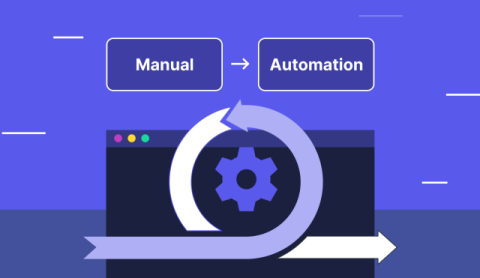
The complexity of current software, which involves the web, mobile, and numerous operating systems & browsers, presents a substantial testing challenge. Consistent functionality and performance across all platforms necessitate a thorough testing strategy. Automation testing services play an important part in solving this problem by allowing for efficient and complete testing across several settings.
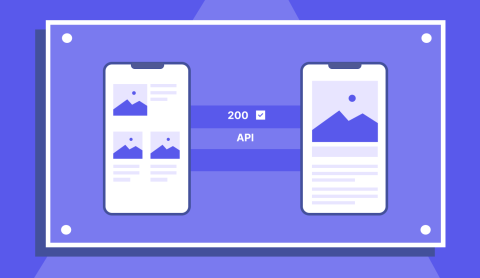
Managing API versions is essential for keeping cross-platform applications stable and user-friendly. Here's what you need to know: Why Versioning Matters: It ensures compatibility across platforms like mobile, web, and IoT, each with unique update cycles.
In today's evolving healthcare landscape, seamless data exchange between stakeholders is critical for improving patient care, reducing administrative burdens, and ensuring compliance with regulatory mandates. The payer organization plays a pivotal role in facilitating this exchange between members, payers, and providers. This blog explores a structured approach to payer data exchange and explores the key components enabling interoperability.
At Keploy, we wanted our tool to be part of the Github pipeline so that developers could be guaranteed that modifications made in pull requests could be safely merged and deployed. The only problem we had was ~ is it possible. The reason for this question is because Keploy uses eBPF to track network calls, which requires sudo capabilities. So the question becomes, will GitHub grant users sudo rights for a program they construct and execute on their systems?
Fan engagement strategies are evolving rapidly. But how do organizations ensure they are delivering realtime data with real meaning to their customers? As a veteran of the sports media industry with 35 years of experience at Deltatre, Carlo De Marchis (A Guy With a Scarf) recently gave a keynote at Ably’s fan engagement summit in February, and explored exactly this question - what should companies actually be trying to achieve when building a fan engagement strategy? His answer was concise.
Before we delve into agentic RAG and AI agents, let’s take a moment to acknowledge that the world of artificial intelligence is evolving at a tremendous pace. From the initial excitement surrounding large language models (LLMs) to the practical application of generative AI (Gen AI), businesses are constantly finding new ways to automate tasks and innovate faster.
Whether we like it or not, when it comes to building data pipelines, the ETL (or ELT; choose your poison) process is never as simple as we hoped. Unlike the beautifully simple worlds of AdventureWorks, Pagila, Sakila, and others, real-world data is never quite what it claims to be. In the best-case scenario, we end up with the odd NULL where it shouldn’t be or a dodgy reading from a sensor that screws up the axes on a chart.