Systems | Development | Analytics | API | Testing

Going deep on UUIDs and ULIDs

Not too long ago the Honeybadger team was debating between ULID vs UUID choice for primary keys. Ben, our dev-ops master, mentioned that he wished he'd used ULIDs instead of UUIDs for a particular system we built. Like any seasoned engineer in software development, my initial reaction was to mumble something non-committal and then sneak over to Google to try to figure out what the hell a ULID is. UUIDs are a bit more common, but I hadn't even heard of ULIDs.

API Security Testing: A Step-by-Step Guide & Best Practices

Imagine you’ve built an advanced app, your users love it, and your business is thriving. But one day, you wake up to the news of a data breach—your API was hacked, and sensitive user data is now roaming the dark web. Sounds like a nightmare, right? Unfortunately, this scenario is all too real. According to a report by Salt Security, 94% of organizations experienced security issues in their production APIs, with 17% suffering a breach due to API vulnerabilities.

How to Drag and Drop Elements When Using Selenium WebDriver?

When automating web applications with Selenium WebDriver, there are different scenarios where drag-and-drop functionality is needed. This occurs in test cases for applications featuring interactive UI elements, such as file uploaders, dashboards, Kanban boards, or drag-and-drop forms. This helps users move elements as expected without any errors or glitches. Read this blog to learn more about the drag-and-drop action process in Selenium WebDriver, along with its uses, challenges, and examples.

How Retail and Media Leaders Drive Customer Satisfaction and Profits with Data and AI

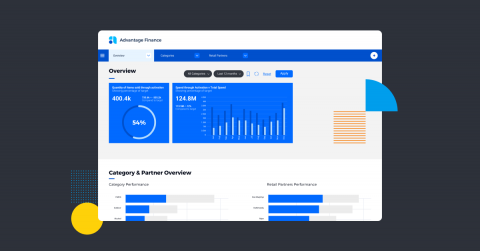
Nearly nine out of 10 business leaders say their organizations’ data ecosystems are ready to build and deploy AI, according to a recent survey. But 84% of the IT practitioners surveyed spend at least one hour a day fixing data problems. Seventy percent spend one to four hours a day remediating data issues, while 14% spend more than four hours each day.

Node.js Now Supports TypeScript Natively: Everything You Need to Know

With the release of Node.js v23.6.0, developers can now use TypeScript natively without additional transpilation tools like ts-node or manual compilation steps. This milestone significantly streamlines development workflows, simplifying build processes and improving the overall developer experience by reducing complexity.

Getting Started with Dialyzer in Elixir

Dialyzer (DIscrepancy AnaLYZer for ERlang programs) is a powerful static analysis tool that helps developers identify potential issues in their Elixir code without executing it. It excels at finding type mismatches, unreachable code, and unnecessary functions through sophisticated flow analysis. In part one of this two-part series, we'll first get to grips with the basics of Dialyzer. In part two, we'll examine more advanced use cases.

5 Enterprise AI Trends You Need to Know

The era of AI experimentation is over. Organizations want to see ROI. And they will—as long as they understand that the competitive edge isn’t in AI itself. With AI evolving rapidly, businesses need a clear strategy that cuts through the noise and generates ROI. This key strategy is to embed AI into core business processes. This post will cover five enterprise AI trends for the new era of AI and why process is the key to ROI. The most talked-about trend today is agentic AI.

Unleashing AI's Full Potential: Hitachi Vantara to Help Solve the Data Challenge Using NVIDIA AI

Every article I read highlights the need for rapid adoption of AI, with emphasis on agentic and generative AI redefining the boundaries of data architectures. As organizations expand automation, personalization and real-time decision-making, they face a fundamental challenge: data gravity – especially to meet the demands of AI reasoning inference workloads – is pulling AI workloads toward storage, but disaggregated architectures struggle to keep pace with the need for rapid data access.

Make your business apps smarter with ThoughtSpot Embedded

In today’s digital economy, businesses aren’t just competing on products and services—they’re competing on insights and decisions. The ability to deliver real-time, contextual analytics within applications and portals isn’t just a nice to have; it’s a critical advantage. Your users expect instant access to insights without switching between tools, hunting for reports, or waiting for analysts to provide answers. This is where embedded AI-powered analytics comes in.