Systems | Development | Analytics | API | Testing

How Manufacturing Leaders Deploy AI Faster with Governance-First Architecture

AI workflows for manufacturing need to be deployed quickly. Quality control systems, predictive maintenance tools, and supply chain optimization algorithms may be going live, yet compliance infrastructure is lagging behind. The result is a familiar pattern: pilots that prove out technically but stall before production because they can’t clear audit, safety, or regulatory review.

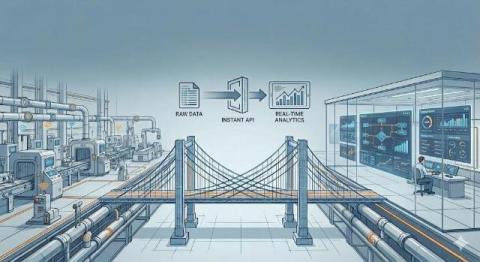
Why Instant, Secured REST APIs are the Backbone of Manufacturing Process Optimization in 2026 | DreamFactory

In the industrial landscape of 2026, data is no longer just a byproduct of production—it is the primary driver of operational efficiency. However, a significant gap remains: the Integration Gap. While factories are teeming with sensors, ERPs, and PLCs, the ability to deliver that data to real-time applications remains a manual, slow, and often insecure process.

How AI Transforms Retail, Finance and Manufacturing in 2026

In this episode, Dana Gardner sits down with three industry experts from Snowflake: Rosemary DeAragon, Rinesh Patel, and Tim Long to explore how AI will transform retail, financial services, and global manufacturing in 2026. Together, they break down the forces reshaping consumer behavior, enterprise operations, and competitive dynamics across these sectors. Across all three industries, one theme is clear: in 2026, AI will no longer be a side experiment. It will be a foundational driver of growth, efficiency, and competitive advantage.

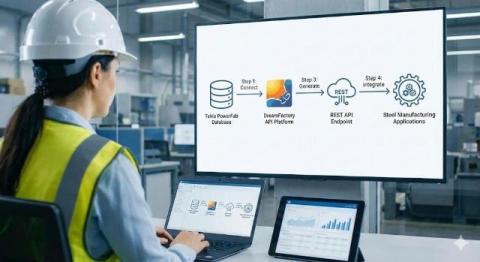
How to Generate a REST API for Tekla PowerFab Data: A Step-by-Step Guide

In the steel fabrication industry, operational efficiency is defined by how well you manage data. Tekla PowerFab is the undisputed heavy lifter for estimating, production control, and inventory management. It is robust, reliable, and deeply integrated into shop floor workflows. However, as steel fabricators look to digital transformation—building custom mobile apps for site managers or feeding data into modern analytics platforms—they hit a roadblock.

Why Manufacturing Brands Need Product Information Management in 2025

Your brand isn’t just a logo anymore. It’s a promise that lives across dozens of digital touchpoints your customers encounter daily. Whether you’re manufacturing industrial equipment or consumer goods, every product detail, specification, and image becomes part of your brand story. And here’s the thing: if you’re not controlling that story, someone else is writing it for you.

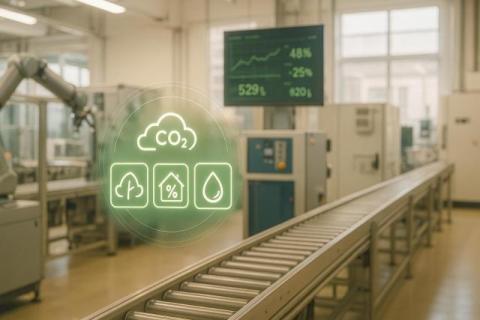
How APIs Help Meet ESG Goals in Manufacturing

APIs are transforming how manufacturers achieve ESG (Environmental, Social, and Governance) goals by simplifying data collection, real-time monitoring, and reporting. Here's how they help: For example, companies using REST APIs have cut compliance costs by up to $45,719 per implementation and reduced risks by 99%. Whether you're monitoring carbon emissions or ensuring supply chain accountability, APIs make ESG integration seamless and efficient.

Key Takeaways from Accelerate: How Financial Services and Manufacturing Companies Leverage Data and AI for Measurable ROI

For many organizations across industries, the era of experimental AI has given way to the era of practical implementation. Even those companies still testing and evaluating AI solutions are shifting away from the art of the possible to focus more closely on what will soon produce measurable ROI. “It will no longer be enough for your organization to merely use AI to win the approval of company leadership,” says Samuel Lee, Product Marketing Director for Financial Services at Snowflake.