How ChatGPT helps us write better dbt data models
How our analytics engineering team uses ChatGPT to write the most efficient dbt packages for your most common analytics use cases.
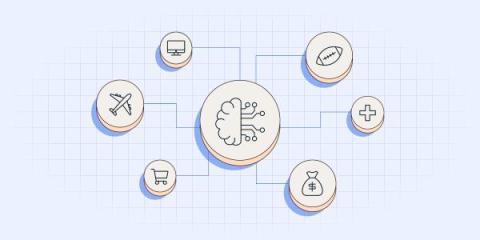
Organizations across all industries are racing to understand large language models (LLMs) and how to incorporate the generative artificial intelligence (AI) capabilities provided by LLMs into their business activities. Thanks to LLMs’ broad utility in classifying, editing, summarizing, answering questions, and drafting new content, among other tasks they are being embedded into existing processes and used to create new applications and services.
Companies no longer question the importance of data analytics for their business success. With the help of data, brands can predict business outcomes, detect purchasing patterns, track customer behavior, and improve overall decision-making. However, many organizations still struggle with implementing the needed steps for robust data analysis. They often lack the time and expertise to use data to its fullest potential.
AWS Lambda is a serverless compute service that allows developers to run their code without having to manage the underlying infrastructure. With Lambda, developers can upload their code and the service takes care of scaling, provisioning, and managing the servers required to run the code. This means developers can focus on writing code and not worry about the underlying infrastructure.
With the rise of online ordering and the growth of delivery, consumers and businesses alike order more packages, expect them faster, and want rapid updates on progress, delays, and changes. Companies providing transportation and logistics services, then, have a compelling reason to add realtime update features to their apps. In other articles, we’ve talked about the broad challenges transport and logistics companies face when providing realtime updates, including scalability and low latency.
Technology is an indispensable ally for navigating process compliance challenges with confidence. That’s because as digitization expands and regulatory requirements change, process compliance becomes more and more difficult to address manually. In this blog post, we’ll examine common process compliance challenges and how technology can help solve them. The most significant challenges for process compliance are manual and paper-based systems.