In this previous blog post we provided a high-level overview of Cloudera Replication Plugin, explaining how it brings cross-platform replication with little configuration. In this post, we will cover how this plugin can be applied in CDP clusters and explain how the plugin enables strong authentication between systems which do not share mutual authentication trust.
If you’ve followed Cloudera for a while, you know we’ve long been singing the praises—or harping on the importance, depending on perspective—of a solid, standalone enterprise data strategy. While certainly not a new concept, Government missions are wholly dependent on real time access/analysis of data (wherever it may be (legacy data centers or public cloud) to render insight to support operational decisions.
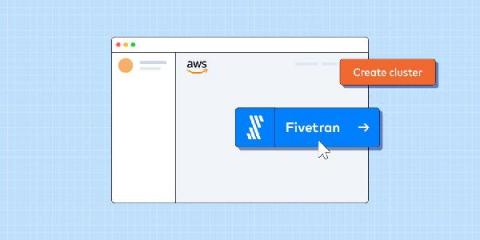
Amazon Redshift supports native integration with Fivetran. Here’s how to set it up.
A data architecture expert gives a crash course on moving analytics to the cloud — including a step-by-step plan to ensure success.
Over the past ten years, Clubhouse and other innovative startups built software quickly. They started from scratch and blew past their incumbents. But the fact of the matter is that speed is no longer a differentiator. Everyone can move quickly. We’ve seen it as Facebook and Twitter quickly duplicated Clubhouse’s “innovative” functionality. Today, it’s all about agility—taking the momentum that you’ve already built up.
In this step-by-step guide, we will show you how to publish and distribute Android apps quickly and easily using fastlane, Firebase App Distribution, and Bitrise.
The Internet of Things (IoT) is changing the way we physically and digitally interact in the world. With the global IoT market projected to reach nearly $2 trillion by 2028, developers are looking for ways to take advantage of the increasing demand and gain a cutting edge. For many teams, IoT development combined with using digital twins for verification allows them to make better decisions during development and visually market their devices after launch. How?
Changes to your requirements have consequences. To make informed decisions with your product, leaders must consider all of the potential implications. The best way to do this is by performing a detailed impact analysis whenever a requirements change is requested.
Adoption of service meshes like Istio is increasing. As a result, Speedscale has developed a webassembly plugin. We extended Envoy using Rust, and no changes are required to your Istio configuration. This allows us to leverage the same sidecars that you have deployed throughout your environment to inspect API traffic. Once we are listening through Istio, the typical Speedscale magic can take place. We can use the data to build integration/performance test suites and autogenerate service mocks.