Systems | Development | Analytics | API | Testing

Commands, Queries, and Events | Microservices 101

Messages between microservices come in three different flavors: Commands, Queries, and Events. Commands change the state, queries request the state, and events share the state. When designing microservice communication patterns, it is important to understand the role of these messages. Following a clear set of rules can help ensure consistency and clarity within your system of microservices.

Microservices Trends: The Top 4 Trends That Will Shape Microservices Development

Microservices architecture has emerged as a popular approach for developing software applications in recent years. Instead of building monolithic applications, microservices architecture involves breaking down an application into smaller, independent services that can be developed, deployed, and scaled independently. This approach offers a number of benefits, including increased flexibility, better scalability, and improved fault tolerance.

Asynchronous Events | Microservices 101

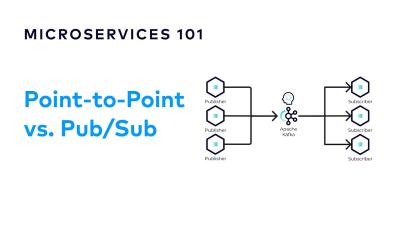
Asynchronous events are a communication pattern that is used to build robust and scalable systems. These events are often pushed through a messaging platform such as Apache Kafka. Among their benefits are the ability to optimize resource usage, more flexibility for scaling, and new ways to recover from failure without losing data.

Continuous Integration and Delivery (CI/CD) | Microservices 101

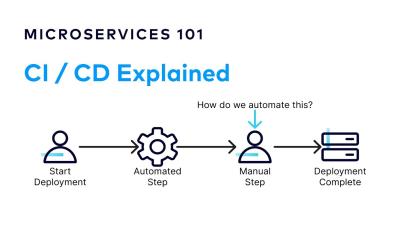
Continuous Integration (CI) is the process of automatically building and testing your code on every source control commit. Continuous Delivery (CD) takes this further and automatically deploys the code to production on every commit. Used together these techniques allow code to be built, tested, and deployed automatically through a robust CI/CD pipeline. CHAPTERS.

Polyglot Architecture | Microservices 101

Polyglot Architecture is a feature of microservices that allows each microservice to be built using a different technology stack. This approach provides developers the freedom to select the best tools for the job and allows them to be more creative with their solutions. However, like with any powerful tool, it can have negative consequences if it isn't used properly. CHAPTERS.

5 Essential Technologies for Microservices App Development

Building a microservices-based application requires a wide range of tools and technologies. Since these tools/technologies work together like a multi-faceted puzzle, it’s difficult for a beginner to understand what they are and why they’re necessary. The goal of this guide is to provide an accessible introduction to each of these essential concepts – all in one place.