Fivetran Achieves PCI DSS Level I Validation
Ecommerce customers can now connect Fivetran to PCI-validated data sources and transmit cardholder data to a PCI-validated destination.


Ecommerce customers can now connect Fivetran to PCI-validated data sources and transmit cardholder data to a PCI-validated destination.
Appian has been a recognized leader in cloud-based enterprise software platforms since delivering Appian Cloud in 2007. From the outset, we built our software to integrate with and complement the cloud’s unique advantages, and to protect it from vulnerabilities. We did so with a unique design philosophy, employing cloud-native and globally recognized frameworks like NIST for optimal security protection, business continuity, and enhanced support.
An in-depth discussion of Fivetran’s SOC 2 Type 2 compliance and Powered By Fivetran (PBF).
Automating digital transformation API deployments can help speed time to market and minimize the resources required for the deployments — if developers can be assured that the automated process meets all necessary security requirements. It’s a topic that Kong Senior CustomerExperience Manager Peggy Guyott and Kong Senior Solutions Engineer Ned Harris discussed on a recent webinar as part of the Destination: Automation 2021 digital event.
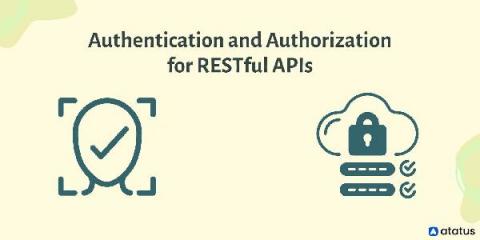
Why do APIs require authentication in the first place? Users don't always need keys for read-only APIs. However, most commercial APIs require permission via API keys or other ways. Users might make an unlimited number of API calls without needing to register if your API had no security. Allowing limitless requests would make it impossible to develop a business structure for your API. Furthermore, without authentication, it would be difficult to link requests to individual user data.
For our latest specialist interview in our series speaking to technology leaders from around the world, we’ve welcomed Charles Denyer. Charles is an Austin-based cybersecurity and national security expert who has worked with hundreds of US and international organizations. He is a founding member and senior partner in two consulting and compliance firms.
In the latest instalment of our interviews speaking to leaders throughout the world of tech, we’ve welcomed Lia Edwards. Lia leads the consultancy side of Threat Protect’s service offering having operated as CIO for several multinational corporations, including Fresnel before co-founding Threat Protect, where she provides consultancy and support on compliance and audit projects, working with clients such as KPMG among others.
More and more companies are eager to move their operations to the cloud. Yet, there’s quite a bit of ambiguity on what moving to the cloud actually means. Is your business running in the cloud while you host your database on another platform or while you rely on a third-party service to handle your payments? That’s a good start for moving to the cloud, but there are many other aspects to consider when building a cloud native infrastructure.
Fivetran Business Critical meets the needs of enterprises with extremely sensitive data and strict compliance requirements.