Systems | Development | Analytics | API | Testing

How to Round Numbers in Python? Methods and Examples

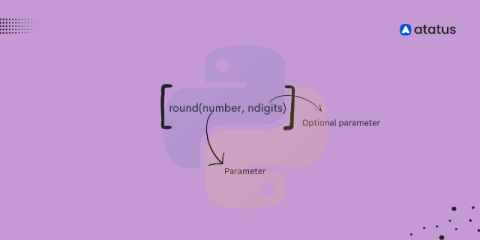
Rounding numbers in Python is an important concept that simplifies calculations and improves the accuracy of results. It helps you adjust numbers by changing them to the nearest whole number or to a specific number of decimal places. Whether you are working with financial data, scientific measurements, or just everyday calculations, rounding ensures that your results are easy to interpret and use.

Assert in Python: A Very Cool Guide

Have you ever wanted to make sure your assumptions about your code are correct? That’s where assertions come in. In programming, an assertion is a simple way to verify that certain conditions hold true in your code, helping you catch potential errors early before they snowball into bigger problems. Imagine building a house—you wouldn’t start putting up walls without first making sure the foundation is solid, right? Assertions work the same way in your code.

How to Handle Python KeyError Exceptions

Python is a powerful and versatile programming language. However, like any language, it comes with its own set of challenges. One common issue developers encounter is the KeyError exception. In this tutorial, we’ll delve into what a KeyError is, explore common scenarios where it occurs, and provide practical solutions and best practices to handle and prevent this error.

Build a One-Product Shop With the Python Django Framework and Htmx

This is the first of a two-part series using Django, htmx, and Stripe to create a one-product e-commerce website. In this part, we'll start our Django project and integrate it with htmx. In the second part, we'll handle the orders with Stripe. Let's get going!

What Is Python Logging? A Complete Introduction

Logging is a crucial practice that helps developers monitor, debug, and maintain their applications. Python, a versatile and widely used programming language, provides a comprehensive logging module that makes it easy to integrate logging into your applications. This post introduces Python logging, covering the basics, various logging levels, practical implementations, and more.

Why choose Python and Django for building a custom eCcommerce website?

With practically everything moving online now and consumers making snap decisions about what to buy and what not- can you really afford to not have an ecommerce website for your business? Well, we don’t think so! According to Tech Jury, 90% of online experiences begin with a search engine. Yes, that’s true! This basically means that if your business doesn’t have a website, you’re losing out on a lot of potential consumers.

Syntax Errors in Python: A Complete Explanation

Python is renowned for its simplicity and readability, making it a favorite among both beginners and seasoned developers. However, even the most experienced programmers encounter syntax errors that can bring their code to a screeching halt. These pesky errors can be frustrating, but understanding their nature and how to resolve them is essential for any Python coder.

Mastering Python with REST API: Your Essential Guide to Building Robust Web Services

If you’re looking to integrate web services using Python, mastering REST APIs is crucial. This article delivers a clear, step-by-step guide to leveraging Python with REST API’s straightforward syntax and libraries to build and connect with RESTful services. From environment setup to security and beyond, expect practical advice that will elevate your Python with REST API projects seamlessly within the world of REST APIs.

Python Virtual Environment: A comparison of venv, pyvenv, pyenv, virtualenv, virtualenvwrapper, and pipenv

To maintain consistency and avoid challenges between different projects, you need to manage dependencies and isolate their project environments. Virtual environments solve this problem by allowing dependencies to be installed in isolated environments without affecting the Python installation system-wide. We'll compare venv, pyvenv, pyenv, virtualenv, virtualenvwrapper, and pipenv for creating isolated Python environments.