Systems | Development | Analytics | API | Testing

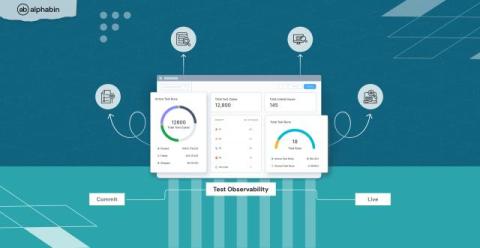
Test Observability Explained for Engineering Leads

Last quarter, something remarkable happened that reminded me why I love working in software testing. I was consulting with a major retail client preparing for their Memorial Day sale, traditionally their second-biggest revenue event of the year. We had just implemented test observability across their entire suite of 3,000+ automated tests. And instead of frantic debugging sessions and emergency war rooms, I watched our dashboards reveal insights in real time.

Modern apps broke observability. Here's how we fix it.

This article originally appeared on DevPro Journal. We’re sharing it here for our audience who may have missed it. For years, APM tools were everyone’s go-to solution for understanding how software behaved in production. And for a time, they worked, because architecture was simpler. Developers owned the backend, the frontend, and the data layer. Everything lived inside a monolith. If something went wrong, they could trace it through their codebase and fix it.

Real-Time Observability for Node.js - Without Code Changes

Observability isn’t a luxury, it’s a necessity. But for teams managing large Node.js applications, getting real-time visibility into performance, memory usage, async behavior, and security can be a complex and risky endeavor, especially if it means modifying your production code. That’s where N|Solid by NodeSource changes the game. Imagine getting deep, real-time insights into your Node.js applications without touching a single line of your business logic.

Understanding AI Observability: Improve Efficiency, Security & Costs

In this video, Jason Mattis breaks down the fundamentals of AI observability, explaining its crucial role in managing and optimizing generative AI systems. Learn about the three core pillars—data monitoring, model explainability, and diagnostics—and how mastering these can help your organization ensure data privacy, maintain model accuracy, manage costs, and enhance overall AI performance.

Using Moesif for API Observability and Analytics in NGINX One

NGINX One provides a modern solution for enterprises to manage infrastructure at scale across globally distributed systems. The platform has built-in tools for essential performance and uptime metrics, giving DevOps teams visibility into the health of their NGINX instances. But for effective API observability and analytics, you have to go beyond infrastructure metrics.

Moesif for API Observability and Analytics in NGINX OpenResty

NGINX with OpenResty offers unmatched performance for serving APIs (application programming interfaces) at scale, with the added benefits of the open-source ecosystem. It’s fast, flexible, and production-proven—an ideal choice for scalable web platforms and high-throughput APIs. But even the most reliable platform can leave teams blind to what matters: real-time API usage, user behavior, and production errors.

Testing with observability in mind: How NeoLoad + Datadog improve every release

Collaboration across IT is increasingly critical to having a smooth and effective software release cadence. As software complexity grows, it becomes more difficult for individual team members to have a thorough understanding of all the different elements that comprise a successful software application.

Securing, Observing, and Governing MCP Servers with Kong AI Gateway

The explosion of AI-native applications is upon us. With each new week, massive innovations are being made in how AI-centric applications are being built. There are a variety of tools developers need to consider, be it supplying live contextual data via the Model Context Protocol (MCP) or leveraging the new Agent2Agent Protocol (A2A) to standardize how their agentic applications will communicate. The modern AI application can include communication between many different entities, including.

App crash panic? #speedscale #developer #mocks #appcrashes #debugging #monitoring #tech #shorts

This video walks you through the first steps when your application goes down: check monitoring, validate alerts, rule out cache issues with incognito mode, and dive into your observability data to find the fix!

The Best Node.js Observability Tools in 2025: N|Solid vs New Relic, Datadog, and More

Monitoring Node.js applications effectively is no longer optional—it’s essential for ensuring performance, reliability, and a smooth user experience. With a range of observability and APM tools available, choosing the right one for your stack and team can be challenging. Whether you're tracking memory leaks, CPU spikes, or asynchronous bottlenecks, the right observability stack can save you hours of debugging and protect your user experience.