Systems | Development | Analytics | API | Testing

JavaScript arrays: how they work and common methods

A JavaScript array allows us to group related data like product names, user IDs, log entries, cart items, or API results. Arrays play a vital role in all kinds of user functions, from shopping carts to game scores. However the sheer flexibility of JavaScript arrays can also cause mistakes around mutation, copying, sorting, and searching. Soo we’ve put together this post to show you.

The 8-12 Week PE Financial Data Foundation Framework

Post-acquisition financial integration is the process of unifying financial data from a newly-acquired portfolio company's ERP into the PE group's reporting layer — without forcing subsidiaries to replatform. The 8-12 Week PE Financial Data Foundation Framework is a sequenced implementation plan, structured across four phases, that takes a portfolio company from acquisition close to live, automated portfolio visibility.

The PE CFO Playbook: Your First 100 Days, Data-First

You close. The lenders want a covenant report in 45 days. Your finance team is running on spreadsheets, three ERPs, and a shared folder nobody has cleaned since 2019. This playbook is the week-by-week plan for exactly that moment — written for incoming CFOs, interim CFOs, and the Operating Partners who place them.

From 50 Spreadsheets to One Source of Truth

The acquisition closed on Friday. The new CFO walks in on Monday morning. Within 48 hours, the Operating Partner sends a message: when do we get the first financials? The CFO opens their laptop and starts counting. Six ERPs. Three different chart of accounts structures. Two businesses that still report in spreadsheets emailed to a shared inbox. One entity whose close cycle runs two weeks behind the others. This is not a failure of diligence or talent.

Validate Spring Boot Upgrades with Traffic Replay

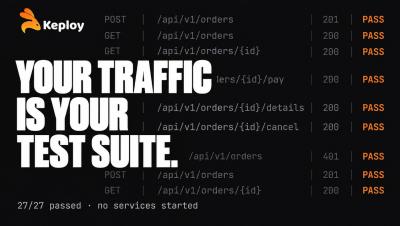
Spring Boot version upgrades—whether moving from 2.x to 3.x, 3.x to 4.x, or even minor bumps like 3.2.5 to 3.3.1—regularly introduce subtle, breaking changes that unit and integration tests miss. JSON serialization shifts, autoconfiguration reordering, and transitive dependency conflicts can silently alter your API contract.

Building an AI-Powered CDSS for Hospitals: Architecture, Models, and Compliance

A clinically accurate AI model can still fail inside a hospital. Not because the prediction was wrong. Because the system could not fit the reality of clinical care. The recommendation may arrive too late. The alert may interrupt the wrong workflow. The model may lack explainability. Compliance teams may block deployment before production even begins. That is where many AI-powered CDSS initiatives break down. Hospitals already struggle with alert fatigue from traditional CDS systems.

The Hidden Tax of DIY: Why using in-house devices slows your ship cycles

Think building your own mobile device lab is the smart move? It starts that way — but the real costs are hiding in plain sight. In this webinar, Diego Molina (Senior Field Solutions Engineer & Selenium Project Lead at Sauce Labs) walks through his firsthand experience building and eventually outgrowing a DIY mobile testing infrastructure — and breaks down the hidden maintenance loop that quietly drains engineering time, budget, and focus.

Set the Foundation for Trusted AI and Data with Snowflake AI Security

Safely deploy autonomous workflows and agents across your organization in minutes instead of months with Snowflake AI Security. Discover how to new features like use Agent Identity, Data Movement Policies, and the Snowflake Trust Center to effortlessly block data exfiltration, enforce runtime masking, and neutralize threats before they execute.

Controlled Rollouts in React Native: How to Push OTA Updates Without Breaking Production

The ability to push an update directly to your users’ devices without App Store review, without delay, without any action required from the user, is one of the most powerful capabilities available to a React Native team. Over-the-air (OTA) updates change how fast you can respond to bugs, iterate on features, and ship improvements. But that power cuts both ways. A bad OTA update reaching 100% of your users at once is considerably worse than a bad store release.