Sauce Labs Product Updates & News for May 2023
Learn about our new test orchestration solution, Linux VMs, iOS & Android dev tools for real devices, and more!


As the month of May comes to a close, we’re excited to give you an overview of all the new features, improvements, and enhancements we’ve added to the Katalon platform this past month. Let’s dive right into it!
We’re excited to introduce a new (and much requested!) feature to the Ghost Inspector community: Explicit Window Targeting. Now you have the power to specifically target which window or tab you want to focus on during your test steps. Usually, when you use a CSS selector in your test, Ghost Inspector’s test runners go through all the available tabs to find the first matching element.
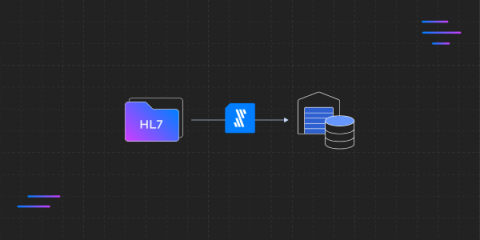
A continuation of our series on ASCII files; how to ingest data from HL7 files.
One of the biggest challenges front-end developers face is keeping code organized while maintaining functionality of the user interface (UI). The challenge becomes more evident in larger projects where a number of developers work together. Several tools are available to help in organizing UI systems, and in this article, we explore one such tool, Storybook. Storybook is a frontend workshop environment tool for UI/UX development that helps bring consistency in designs across multiple components.