Token optimization is the new tokenmaxxing. Here's why burning fewer tokens produces better software and why the economics of AI make this shift inevitable.
Passing automated tests doesn’t always mean your software is ready for users. Many issues only surface when business stakeholders interact with the product in real-world scenarios and validate it against actual requirements. That’s where UAT testing software comes in. It helps teams manage test cases, collaborate with stakeholders, track defects, and streamline the final approval process before release.
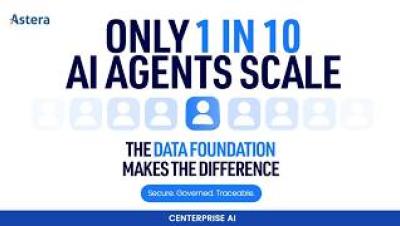
Scaling AI agents to production comes down to the data foundation behind them. Astera's Centerprise AI gives agents secure, governed access to enterprise data, and its business context without exposing it to the LLM. Watch to see how it works.
Mobile application users expect flawless experiences on every device, every OS version, and every screen size, and they have little patience for anything less. Yet for QA teams, achieving that level of coverage traditionally means wrestling with brittle automation scripts, complex Appium setups, and endless device fragmentation. Even after all this manual effort, your mobile app quality could contain unseen gaps.
Give your developers — and your AI agents — a digital twin of your live environment. Keploy records real traffic from your live services (no production access, nothing to spin up) and replays it as a faithful twin, so you can continuously verify behavior and catch regressions before they ship. In this demo: record a live service, turn that traffic into integration tests and mocks automatically, replay everything against digital-twin sandboxes, and wire it into CI for continuous verification.
See how SmartBear Reflect uses agentic AI to build end-to-end tests in minutes and keep them resilient as your application changes. In under 20 minutes, Reflect co-creator, and SmartBear Director of Product Management, Todd McNeil walks through live test creation across web and mobile, with zero fluff.
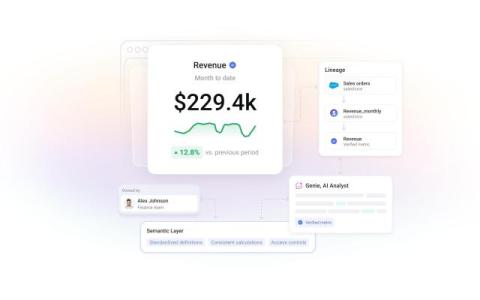
Ask three people in your company to pull the number of active customers this month, and you’ll probably get three different answers, even though each person labeled the metric the same way. One counts everyone who logged in, another counts only paying users, and a third filters down to a single plan tier. Nobody is wrong here. They’re all working from real data; they just never agreed on a single definition. Do that enough times, and the data itself becomes the thing everyone argues about.
Autonomous testing is one of the most talked about developments in software quality right now. It shows up in analyst reports, vendor pitches, conference talks, and job descriptions – often in the same breath as automated testing. Most of those conversations treat the two as interchangeable, or worse, position autonomous testing as simply a smarter, more advanced version of what teams already do.
Automated test suites tend to follow the same arc. The suite works well until the application changes and a block of tests fails. Someone fixes them. The application changes again. At some point, the work of keeping tests current starts consuming the time that should go toward coverage decisions, risk assessment, and the testing work that requires human judgment.