Systems | Development | Analytics | API | Testing

API Gateway vs Load Balancer: Which is Right for Your Application?

API gateways and load balancers are useful tools for building modern applications. While they have some functionality overlaps, they’re distinct tools with different purposes and use cases. In this article, we’ll discuss the differences between API gateways and load balancers, give examples of their implementations, and how to choose the right tool for your web application.

Custom Plugin Development with Kong Gateway

Kong plugins are the real muscle behind the Kong ecosystem, giving you the power to implement API gateway policies in a plug and play fashion. In this session, we will deep dive into the Kong plugin architecture, basics around plugin development, testing, and automated delivery. You will have the opportunity to learn about different plugin phases during an API request, unit testing, and installation of a plugin in Kong Gateway.

Innovate Faster with API Discoverability

More than 90% of developers use APIs regularly, according to Slashdata, with most (69%) using third-party APIs. At the same time, many businesses are recognizing the value of building API ecosystems. For instance, Expedia generates over 90% of its revenue from APIs, enabling third-party websites to book flights, cars, and hotels through its platform. With a growing number of APIs to choose from, discoverability is critical for the success of data-driven businesses.

Reach for the Clouds: A Crawl/Walk/Run Strategy with Kong and AWS

I once heard someone say, “What the cloud migration strategies lack at the moment is a methodology to Lift-and-Shift connections to the cloud.” Let’s digest that. In today’s landscape, maintaining a competitive edge and delivering a high-quality customer experience is becoming synonymous with migrating to the cloud. As of 2022, 57% of organizations are migrating more workloads to the cloud.

End-to-end Monetization with Kong, Stripe, and Moesif

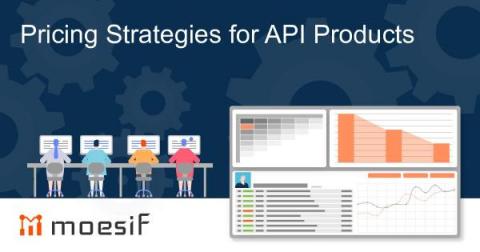
Many API developers and companies struggle to find ways to easily set up systems to monetize their APIs. Some are simple but not customizable while others are complex and require massive engineering effort to actually get it all running. To make things easier, Moesif created the Billing Meters feature which allows for massive customization with a minimal amount of code and engineering effort.

The Ultimate Solution for Building FHIR-Compliant APIs

Fast Healthcare Interoperability Resources (FHIR) is a groundbreaking standard in the healthcare industry, designed to facilitate seamless data exchange between various systems. With the increasing demand for interoperability and efficient communication, Hl7 v2 FHIR-compliant APIs (application programming interfaces) have become an essential tool for healthcare providers and organizations to transfer health information from provider to provider.

What is GraphQL Testing? How To Test GraphQL APIs?

Adopting GraphQL and implementing GraphQL testing have become critical in the API-first landscape. The skyrocketing demand for modern software has put the importance of maintainable, functional, and scalable code on top. To enable independent evolution and decouple the front end from the backend, manual and automated API testing needs to take place for SOAP and REST architecture styles.

How to Test your AsyncAPIs with ReadyAPI

Testing asynchronous APIs (AsyncAPIs) is becoming increasingly important as more and more APIs adopt asynchronous communication patterns. ReadyAPI now supports testing of AsyncAPIs, making it an even better tool for API testing. In this blog post, we’ll provide step by step guidelines on how to import your AsyncAPIs from SwaggerHub into ReadyAPI and how to test them. Hopefully, this will help you get started with testing your own asynchronous APIs.