We collect the latest Development, Anaytics, API & Testing news from around the globe and deliver it direct to your inbox. One email per week, no spam.
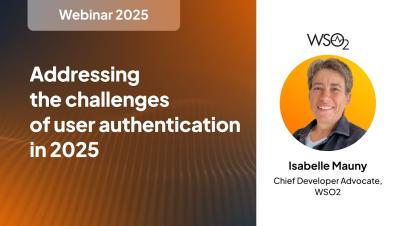
User authentication is rapidly evolving to keep pace with rising security threats, AI-driven attacks, and increasing privacy concerns. The biggest challenge for developers? Enhancing security without compromising the user experience. In this webinar, we’ll explore two powerful techniques that address this challenge.
Scaling services can be tricky. But understanding the difference between stateless and stateful services makes it easier. Here's what you need to know.
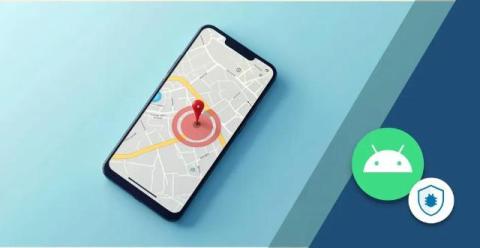
You’re probably familiar with Android Geofencing already, but in case this is your first rodeo, it’s a location-based system that can receive access to a mobile device’s location data, and trigger all kinds of functions when users pass in and out of specific areas. The ads our users see, the content they can stream, the offers they receive via push notifications… all can be triggered by geofencing.
Master the essentials of building, testing, and deploying scalable applications. Learn how to leverage CI/CD tooling, health guidance, and collaborative workflows. Learn how Vanguard manages a portfolio of 46 applications across departmental and mission critical use cases, serving over 25,000 users.
I'm thrilled to share another milestone in WSO2's journey: we've officially acquired Moesif, a San Francisco-based startup known for its powerful API analytics and monetization platform. This move represents more than just an acquisition—it's a strategic step for us. Since joining the EQT portfolio last year, we've been actively exploring inorganic growth opportunities to accelerate our vision.
In the world of modern web applications and APIs, authentication and authorization mechanisms are critical. Whether you’re building a RESTful API, working with OAuth2, or integrating third-party services, you’ve likely encountered the term "Bearer Token." But what exactly is a bearer token? How does it work? And one of the most common questions: Can you reuse a bearer token?
Go, with its simplicity and strong concurrency model, is a popular choice for building CLI tools. Cobra and Viper are two powerful libraries in Go for building command-line interfaces and managing configuration, respectively. They are designed to work seamlessly together, offering a robust solution for developing feature-rich CLI applications. To understand how they work internally and complement each other, let’s dive deeper into their architecture and how they interact.
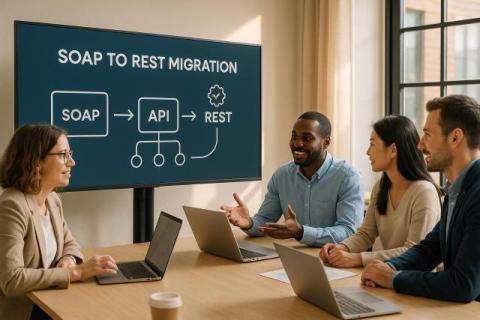
Switching from SOAP to REST APIs can transform enterprise systems, offering faster performance, lower costs, and easier integration. REST's simplicity, lightweight JSON format, and scalability make it the preferred choice for modern applications. Here’s a quick look at five real-world examples of how industries benefit from this migration.