The Anatomy of Data Analysis - Types, Techniques, Step-by-Step Guide & Expert Tips
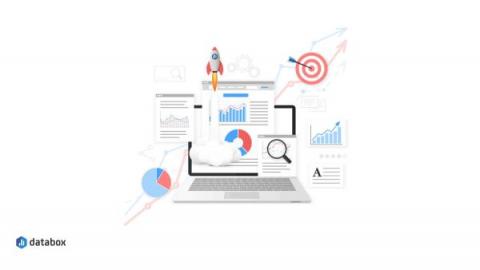
Do you look at spreadsheets with analysis paralysis? This article will help you simplify the entire process — forever.


Multivariate time series forecasting allows BigQuery users to use external covariate along with target metric for forecasting.
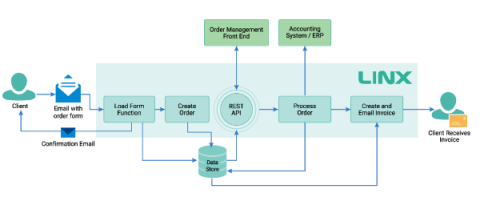
Every business can benefit from automating time-consuming and repetitive tasks. It allows businesses to save time, reduce errors, and improve efficiency by automating workflows and processes. This post will go into more detail on how low-code can help to facilitate BPA. The first section of this post will look at the functionality that makes Linx a good match for BPA, and then an example of how a business process can be automated using Linx.
Dividing work into the smallest possible tasks has benefits. These benefits include easier debugging, easier resource management and more manageable maintenance and enhancements. A Microservice approach is perfect when this is your goal.
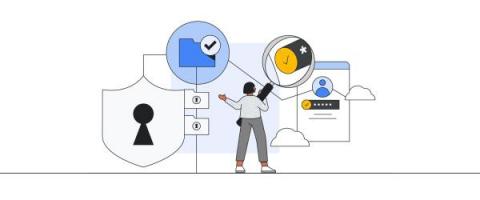
Google Cloud customers who want app-level encryption in hybrid cloud data warehouses can encrypt and decrypt that data outside BigQuery. Here’s how to do that securely.
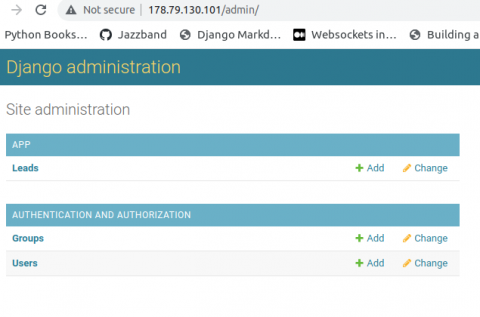
Do you need complete control over your production environment? If so, you might want to skip the Platform as a Service (PaaS) offerings and deploy to your own server instead. This article describes deploying a Django application to an Ubuntu server at Linode.
The Chief Data Officer is arguably one of the most important roles at a company, particularly those that aspire to be data-driven. CDO appointments and the elevation of data leaders have accelerated in recent years, and the role has morphed as perceptions of data have evolved. Responsibilities span strategy and execution, people and processes, and the technology needed to deliver on the promise of data.