Systems | Development | Analytics | API | Testing

Is It Time To Consider Moving Past AWS API Gateway?

AWS offers its own out-of-the-box API gateways. For many AWS teams, AWS API Gateways are a natural place to start when beginning their API management and API gateway journeys. However, as API practices and programs begin to scale, many organizations begin to look beyond AWS due to major limitations, feature gaps, performance issues, and cost-effectiveness challenges.


Using Python MockServer for API Testing

Using a mock server is a popular method of working around these limitations and realities, allowing you to test web server assets against specific requests, ensuring that your response data matches the expected outcome. Today, we’re going to look at a powerful solution for Python clients in the form of MockServer. We’ll walk through the tool’s basics and learn how to use it for your own testing.

The top 9 AI testing tools (and what you should know)

Software and quality assurance teams use AI in all parts of the automated testing workflow. According to a survey of 625 software developers we ran, 81% teams use AI tooling in their testing workflows for some variety of test planning, test management, test writing, and even analyzing test results. But AI can make the biggest impact on the most time-consuming steps in the automated testing process: test creation and maintenance.

How Singapore Embraces Data Streaming Across Finance, Air Travel & More

Real-time data has become an essential asset for today’s businesses, and the Asia-Pacific market is no exception. Across competitive industries like finance, travel, and more, data streams and event-driven architectures have become table stakes for leading organizations in the region.

Measure Your App's Speed & Success with New Performance Targets

Knowing how well your application is performing is just as important as ensuring it doesn’t crash. But what defines “good performance?” How do you know if your app is hitting the mark or falling behind? With SmartBear Insight Hub, you can now use performance targets to set and track specific benchmarks for your application’s performance metrics.

Top Gen AI Demos of AI Applications With MLRun

Gen AI applications can bring invaluable business value across multiple use cases and verticals. But sometimes it can be beneficial to experience different types of applications that can be created and operationalized with LLMs. Better understanding the potential value can help: In this blog post, we’ve curated the top gen AI demos of AI applications that can be developed with open-source MLRun. Each of these demos can be adapted to a number of industries and customized to specific needs.

Enhance Trino Performance With Simba's Powerful Connectivity

Modern data infrastructure demands tools that scale effortlessly to handle growing volumes and complexity. Trino, an open-source distributed SQL query engine, has emerged as a game-changer for high-speed analytics across diverse environments. Its distributed architecture empowers organizations to query massive datasets across databases, data lakes, and cloud platforms with speed and reliability.

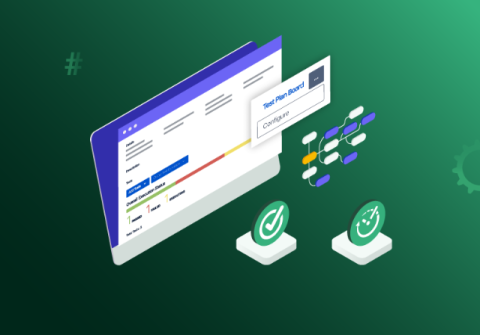
Unlock efficiency with Tricentis Test Management for Jira: AI configuration, custom fields, global reporting

At Tricentis, we’re committed to making test management smarter, more efficient, and customizable. With the latest release of Tricentis Test Management (TTM) for Jira, we’re introducing new features to enhance your test execution efficiency and provide greater control and visibility. Key updates include unified global and requirement execution progress reporting, greater AI customization across projects, and enhanced test review and execution.

Unlocking efficiency: 5 key use cases for Tricentis API simulation

In today’s interconnected digital world, software development and testing often hinge on APIs and dependent systems. These systems are the backbone of modern applications, but they can also create bottlenecks when they’re unavailable, costly, or challenging to work with. Tricentis API Simulation eliminates these barriers, enabling teams to accelerate development, reduce costs, and deliver high-quality software with confidence.