Systems | Development | Analytics | API | Testing

Learning About The Bitnami System Database | Dreamfactory

If you want to spin up a fast API solution, DreamFactory is a great way to do that with a Bitnami install. Within minutes you can have a fully documented and secure REST API to utilize. Just like any program bundle, there are lots of features to learn and interact with. Outside of a Docker Swarm or AWS ELB setup, it is pretty hard to find a way to spin up a DreamFactory instance faster. We are going to dive in a bit further to find out how to interact with the system database.

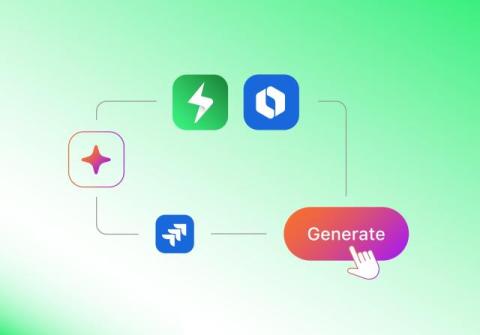
KAi Just Got a Major Upgrade, Powered by the New Kong Konnect MCP Server

KAi, the AI assistant inside Kong Konnect, just got significantly more capable. Today, we're announcing an enhanced beta version powered by the new Kong Konnect MCP Server — a shared infrastructure layer that also opens up your API platform to IDE copilots and custom agents. The result? KAi can now do things it couldn't before, and those same capabilities are available wherever you work. If you've used KAi before, you'll notice the difference immediately.

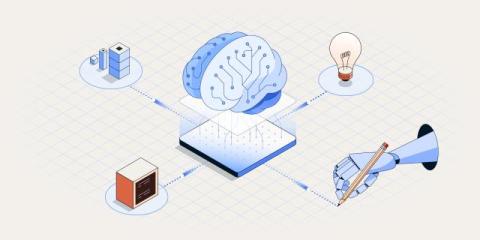
What is a MCP Gateway? The Missing Piece for Enterprise AI Infrastructure

AI agents are spreading across organizations rapidly. Each agent needs secure access to different Model Context Protocol (MCP) servers. Authentication becomes complex. Scaling creates bottlenecks. The dreaded "too many endpoints" problem emerges. You face a classic AI infrastructure headache. The numbers tell the story. Organizations using AI in at least one business function jumped from 55% to 78% in just one year. Generative AI usage specifically rose from 33% in 2023 to 71% in 2024.

How to Perform Multi-Step Salesforce Lookups Before Upserts Using Low-Code ETL

Teams often receive CSV donations without Salesforce IDs. They need to match rows to existing Contacts, Accounts, or Campaigns, then upsert Opportunities or Payments. This guide explains how to implement multi-step Salesforce lookups before upserts using a low-code ETL approach. It is written for data engineers, admins, and operations teams who own file-based integrations. You will learn core concepts, design patterns, and a production-ready sequence.

The End of the Wait-and-See Era for ERP Modernization

If you’re an SAP customer, you’ve probably heard the same pitch more than once: just wait a little longer. Your migration to S/4HANA will unlock the agility you need. Your SAP Business Technology Platform (BTP) investments will catch up soon. Your workflows will get faster. Your data will become more accessible. Just a little more time. But what if you can’t wait? What if your supply chain teams are buried under manual work?
Sponsored Post

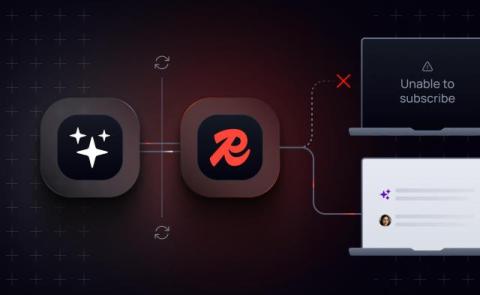
Peeking Under the Hood with Claude Code

Claude is one of the go-to AI-native code editors for developers. Because it's a simple chatbot interface housed inside a familiar CLI, it provides a pretty smooth path between traditional IDEs and agentic AI. But what's actually happening behind the scenes when you ask it to write code, generate a test, or debug an issue? Who and what is it talking to behind the scenes? Can I prevent data leakage or do I need to add another layer to my tin foil hat? To answer these questions, I used proxymock to inspect the network traffic flowing from the Claude IDE.

ROI of Digital Twin Testing: Cut Testing Costs by 50%

When engineering leaders review their cloud bills, they often focus on production costs—the infrastructure serving real users, processing real transactions, generating real revenue. But there’s a shadow cost lurking in every cloud environment that often goes unnoticed until it becomes painful: non-production infrastructure.

Moving Our Observability Data Collector from Sidecars to eBPF

For years, the Kubernetes sidecar pattern has been a practical way to capture observability data. Running a collector alongside each application pod gave us deep visibility into traffic, including full request and response payloads across supported protocols. However, as cloud-native environments have grown more complex, the limitations of sidecars—such as resource overhead, operational complexity, and scaling challenges—have become more apparent.