Systems | Development | Analytics | API | Testing

Mock vs Stub: Essential Differences

When discussing the process of testing an API, one of the most common sets of terms you might encounter are “mocks” and “stubs.” These terms are quite ubiquitous, but understanding exactly how they differ from one another - and when each is the correct method for software testing - is critical to building an appropriate test and validation framework. In this blog, we’re going to talk about the differences and similarities between mocks and stubs.

The 7 Best Regression Testing Tools in 2026

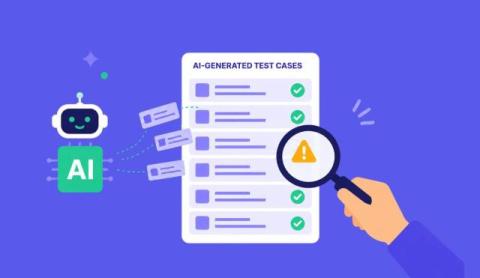
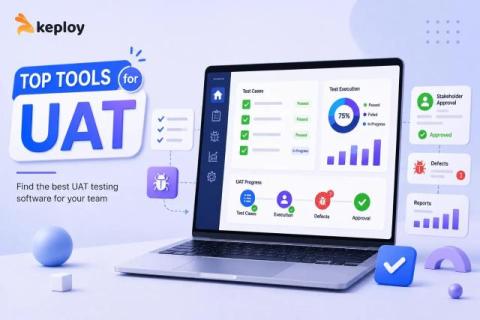
QA engineers and developers constantly worry that new updates will hinder the functionality of their applications. Regression testing tools prevent this and ensure that applications run smoothly after a code update. Most QA teams use automated regression testing software to save time and money while speeding up the release cycle. However, these benefits only apply when you use a web testing tool that suits your use cases.

Pre-Training vs Fine-Tuning vs RAG: Which AI Approach Fits Your Business in 2026?

Every organization today is racing to embed AI into its core, yet the real question isn’t which model to choose, but how to build an AI capability that truly aligns with your business goals. Should you invest months in training a proprietary model to gain full control and differentiation? Or would adapting a pre-trained model strike a better balance between performance and time-to-market?

Agentic AI Integration: Why Gartner's "Context Mesh" Changes Everything

Gartner just published research that should be required reading for every platform and infrastructure leader building for the agentic era. The report, "How to Enable Agentic AI via API-Based Integration," makes a stark claim: incrementally reworking existing APIs and connector-based integrations for AI agents is no longer sufficient.

Confluent Cloud Is Your Life (K)Raft Away From Hosted Apache Kafka

Streaming your data with Apache Kafka, at its core, involves moving data from one point to another in real time, much like a river flows from its source to its destination. However, beneath this seemingly straightforward goal lies significant complexity and hidden costs. The multitude of available deployment options, hosted and managed Kafka services, and design choices make it difficult to navigate the data streaming landscape.

Zero-Code Snowflake APIs: DreamFactory for Non-Developer Teams

Data democratization is a strategic priority, but most organizations struggle to provide Snowflake access to non-technical teams. Business analysts, data scientists, and operations teams need data for dashboards, reports, and applications—yet they lack the programming skills to build API integrations. DreamFactory solves this challenge by enabling zero-code REST API creation from Snowflake, complith point-and-click security configuration, automatic documentation, and no programming required.

The CES Hangover: 3 Expensive Hardware Fails That Were Actually Software Problems

The dust has settled on Las Vegas. We saw transparent TVs, cars that drive sideways, and enough “AI-powered” toothbrushes to confuse a dentist. CES is incredible at selling the dream of hardware. The demos are slick, the lighting is perfect, and everything works on the showroom floor. But as engineers, we know the dirty secret of CES: The hardware is the easy part.

Architectural Visualization with Unreal Engine: Trends, Challenges, and Workflows

Architectural visualization, or archviz, has shifted rapidly from static 2D renders to immersive 3D experiences that have transformed how architects, designers, and developers communicate their vision. Using this technology, a development team can “walk” clients through hyper-realistic replicas of an office headquarters or residential complex well before ground is ever broken.

Top Security Testing Companies to Fortify Your Defenses in 2026

The question today is no longer if you face a cyberattack, but when. As technology evolves, so do the threats that seek to exploit it. Data privacy laws are more stringent, breaches are more complex, and the financial and reputational consequences of a securit y disaster are greater than ever before. A reactive securit y posture is a formula for catastrophe companies looking to innovate and expand. Resilient digital defences are based on thorough, proactive, and expert-led security testin g.