Systems | Development | Analytics | API | Testing

Using AI for Data Analysis - A Complete Guide

Ever noticed how you’re always getting relevant ads, whether you’re streaming on Netflix or shopping on Amazon? Or how sometimes, just thinking about something seems to make it appear on your phone? It feels like every application somehow knows what you’re thinking, serving up personalized suggestions with high precision.

Xray Requirement Coverage explained: automating quality with Test Executions

Xray’s Requirement Coverage refers to how defined requirements inside a specific project are being validated by tests. Each requirement – whether Jira Story, Epic or Feature - should be connected to one or more test cases. When these tests are being executed and the results are being reported, the coverage status of the requirements automatically updates. Bottom line, only creating tests is not enough.

TCP Proxy: Expose TCP Ports Publicly

Today, we’re announcing the public preview of TCP Proxy — a new way to expose TCP ports publicly. Until now, services on Koyeb could only be publicly exposed via HTTP, HTTP/2, WebSocket, and gRPC protocols. TCP-based workloads were limited to private access within the mesh network for service-to-service communication. With TCP Proxy, that changes. You can now make any TCP service publicly accessible with minimal configuration.

How to Build a Multi-LLM AI Agent with Kong AI Gateway and LangGraph

In the last two parts of this series, we discussed How to Strengthen a ReAct AI Agent with Kong AI Gateway and How to Build a Single-LLM AI Agent with Kong AI Gateway and LangGraph. In this third and final part, we're going to evolve the AI Agent with multiple LLMs and Semantic Routing policies across them. In this blog post, we'll also explore new capabilities introduced in Kong AI Gateway 3.11 that support other GenAI infrastructures.

Benefits of Test Management in Software Testing Life Cycle

Automation testing for websites is one of the fastest ways to improve software quality while speeding up delivery. It removes repetitive manual work and ensures that every release is tested thoroughly before going live. Effective automation testing becomes even more powerful when paired with a solid test management strategy. The benefits of test management in testing process include better organization, clearer visibility, and improved collaboration across teams.

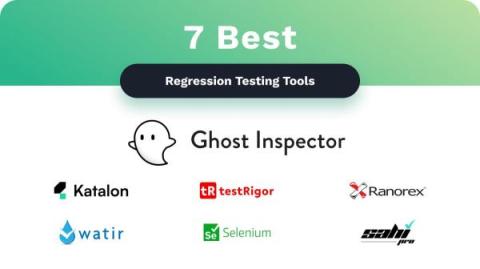
Top 15 Best Regression Testing Tools For Web Applications

Regression testing tools for web applications help you ensure that updates to your code do not break existing features. They automate repetitive test cases so your team can release faster and with more confidence. Choosing the right tool matters. There are many automated regression testing tools and web app regression testing software available. Some focus on speed, some on cross-browser testing, and others on AI-powered features that reduce maintenance work.

RBAC vs ABAC: API Security Implications

Securing APIs requires managing who can access resources and under what conditions. Two primary models stand out: Role-Based Access Control (RBAC) and Attribute-Based Access Control (ABAC). Here's the key takeaway: RBAC assigns permissions based on predefined roles, making it simple to manage in structured environments. ABAC evaluates multiple real-time attributes for dynamic, granular control, ideal for complex or evolving scenarios.

We Do Advising Differently: Our 10-Step Approach to Advisory Services

As I recently transitioned to Qlik's Professional Services team to lead Advisory Services, I embraced a clear mission: to engage in high-level discussions with business stakeholders that drive faster value and enhance your return on investment (ROI). By employing a structured 10-step approach grounded in a repeatable agile methodology, we are actively enabling out customers to overcome challenges and achieve their strategic objectives.

Empowering Digital Teams to Own Data Integration: The End of the IT Bottleneck

In today’s enterprise environment, digital transformation no longer lives solely in the domain of IT. Digital architects, digital technology teams, and cross-functional product leaders now carry critical responsibilities for building digital experiences, embedding AI, and delivering innovation on tight deadlines. Yet far too often, these teams are held hostage by a legacy dynamic: IT owns the data.