New and upcoming connectors and data models
Keep track of new releases for our data connectors and data models for dbt with this regularly updated list.


Keep track of new releases for our data connectors and data models for dbt with this regularly updated list.
Let's talk about a problem all baseball fans know all too well: you're stuck in traffic or buried under a mountain of work, and there's no way you're going to make it home in time for the game. An average baseball game clocks in around three hours, and sometimes, life doesn't afford you that kind of leisure time. Here, apps promising live game updates become a lifeline for the busy fan. However, that's where we hit a snag.
With the recent announcement of ThoughtSpot Sage, we launched a number of enhancements to our search capabilities including AI-generated answers, AI-powered search suggestions, and AI-assisted data modeling. In this article we will walk you through the steps we take to secure your data during the LLM interaction.
The explosive rise of generative AI has prompted incredible excitement about its transformative potential, much like the advent of the Internet. But if like me, you’re old enough to remember what that looked like circa 1995, there was a lot we did not know at the time, creating uncertainty in both worlds of work and education on how to best leverage it, and whether providing unlimited access to employees or students was a good idea.
In this article, we'll introduce Ruby on Rails' lesser-known but powerful cousin Sinatra. We'll use the framework to build a cost-of-living calculator app. By the end of the article, you'll know what Sinatra is and how to use it. Let's go!
A great experience isn’t just about quality products and services or fast response rates. Users today expect all of that and more. They want easy, on-demand access to information and services from any device at any time. And they expect transitions across devices, locations, and processes to be seamless.
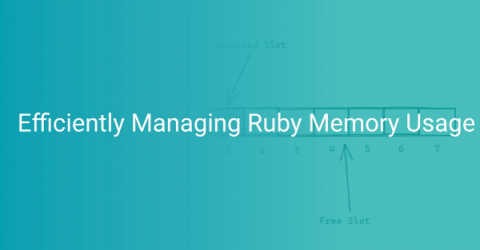
Even the most prominent and reliable frameworks are notorious for burning out resources if not configured perfectly. In this post, we are about to take a look at how Ruby, one of the most prominent programming languages and an awesome web application alternative when combined with Rails, manages memory, and how you can make it perform even better. Ruby is a scripting language built for use in web applications and similar stuff.
The goal of SE Ranking, an all-in-one SEO software package, is to assist companies and digital marketers in raising their search engine ranks, enhancing their online visibility, and monitoring the effectiveness of their websites. SE Ranking will assist you in achieving your objectives, whether you’re a small company owner hoping to increase the online exposure of your website or a digital marketer seeking a thorough SEO tool.