With the new year well underway, you might be feeling like all the new initiatives, lists of priorities, and looming project deadlines are endless—and you’re probably wondering how you’ll get it all done. Appian is here to help.
The philosophy behind continuous improvement is simple: incremental and ongoing changes to your organization result in more efficient business processes, better products, and superior customer experiences. The pursuit of excellence is familiar to many of us in our daily work, and your organization may already have a culture, goal, or process management method designed to improve performance and facilitate operational excellence.
Today, data is the lifeblood of every organization. Without it, you’re left without key insights into business processes, consumers, employees, and the overall health of your entire organization. And here’s the scariest part: most organizations are on life support due to their inability to properly manage their data and turn it into actionable insights. Data fabric technology can help in a significant way, which is why it’s been getting so much buzz recently.
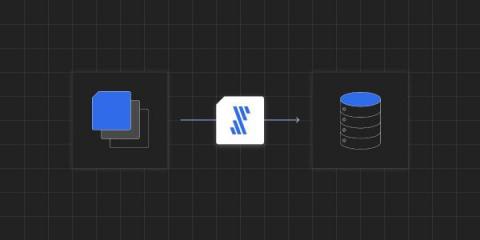
Unify data from diverse sources and formats using Aiven Kafka's open source streaming. Analyze with BigQuery for swift, accurate insights.
Elements of the Google Data Cloud including BigQuery, DataFlow, and Vertex AI are behind Glean’s personalized enterprise search platform.
Ractor is Ruby's new Actor-like concurrency abstraction—it lets execute code in parallel without worrying about thread safety. This article is an excellent introduction to Ractors and how to begin using them in your Ruby code.
The short month of February was a time of intensive work in Loadero, and while some of the biggest updates are coming soon, we have some news about what has been added to Loadero recently. Below are the updates we’ve done.
Data fabrics are getting a lot of attention lately, and for good reason. But, for any topic with a lot of hype, there also tends to be a lot of confusion. If you are still trying to fully grasp where the concept of a data fabric architecture fits amongst all of the warehouses, lakes, lakehouses, and meshes of the data engineering world, let's set the record straight. What is a data fabric? A data fabric is a toolset that connects data across disparate sources to create a unified data model.