Broken Link Building Tips for Increasing Search Rankings, Authority, & Traffic
Want to build site authority and increase traffic through high-quality backlinks? Use these broken link building tips to create a better backlink process.


These days organizations commonly rely upon dozens of databases, applications, and third-party services for powering critical business infrastructure such as web and mobile applications, business analytics, and customer outreach initiatives. Examples of such indispensable technologies include Microsoft SQL Server, Salesforce, and Intercom.
When we consider performance testing most of the focus of the approach is placed on the script creation activity and making sure that requirements are covered, these are very important parts of your performance testing approach but so is the Test Execution. The frequency at which you run your tests is important and can save you time and effort in your script maintenance. A good performance testing execution strategy gives you the maximum amount of benefit it can by finding performance issues early.
2019 is almost over. The software testing landscape has seen numerous introductions in new testing approaches and innovations at an exponential rate. It has also witnessed the continuation of technological improvement, evolution, and reinvention. As we are progressing to 2020, let’s take a retrospective look at the top trends in test automation and see how we stand after one year.
Digital transformation provides a valuable opportunity for industrial companies to move away from manual processes and automate with digital technologies to improve safety, productivity, and quality for customers. But it can be a daunting endeavor for many. At Hitachi Vantara, we’ve developed an award-winning Smart Manufacturing Transformation methodology that can ensure full-scale digital transformation and success for our customers.
The last 12 months have been tremendous for Yellowfin. We’ve introduced Signals, Stories, a new dashboard build, mobile app and many new improvements to the platform. There is no one else in the market that brings together all of these types of products and it means we’re diverging from our competitors. Our competitors think far more about the analytical experience, while we care about the data consumer and build products for them.
At this year’s KubeCon, we debuted Kong for Kubernetes, the industry’s only fully Kubernetes-native ingress controller that supports end-to-end API management and is backed by an enterprise support subscription.
Hello again! Welcome to the finalé of a two-part series of posts on errors in JavaScript. Last time, we took a look into the history of errors in JavaScript — how JavaScript shipped without runtime exceptions, how error handling mechanisms were later added both to the fledgeling web browsers of the day and to the ECMAScript spec, and how they future efforts to standardise these features would be connected to the politics of the browser wars of the late 90’s and 2000’s.
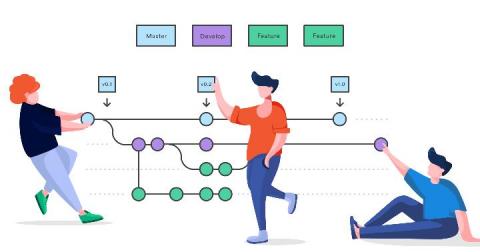
When you start a new project, everything is very easy and agile. You can develop, commit code and publish new versions quickly, without much testing. You probably don’t have a QA team, your test data is similar to your production data and you don’t develop multiple features at the same time. But as the project grows, it starts to become more and more complex.
There are essentially two paths to strategic data storage. The path you choose before you bring in the data will determine what’s possible in your future. Although your company’s objectives and resources will normally suggest the most reasonable path, it’s important to establish a good working knowledge of both paths now, especially as new technologies and capabilities gains wider acceptance.