Systems | Development | Analytics | API | Testing

It's raining APIs: How AccuWeather shares data with developers using Apigee

Since AccuWeather was founded in 1962, our company has become the world’s leading provider of weather forecasts and warnings. We maintain a huge, accurate and comprehensive collection of weather warning data. Back then, we brought data to local forecasts, newspapers, radio stations and small businesses. While we started by putting pen to paper and providing solutions to business customers, AccuWeather has really evolved into a digital platform over the past decade.

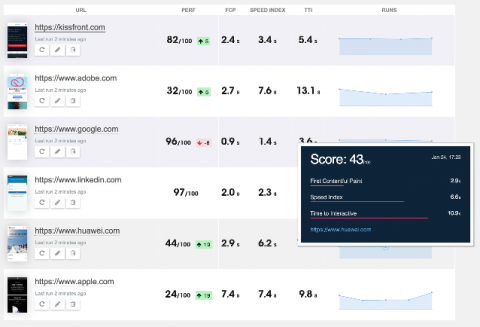
KissFront: Lighthouse as a Service

KissFront is a web performance monitoring tool running Lighthouse continuously or on-demand (using Lighthouse as a service) to monitor your website performance and get insights on speed with modern performance metrics. Lighthouse is an open-source automated tool for analysing and improving the quality of web pages with audits for performance, accessibility, progressive web apps, SEO and best practices.

2019: A New Yellowfin 8.0.1 Release

In Yellowfin 8 we introduced two new products, Yellowfin Signals, to automatically discover the most critical changes in your business as they happen, and Yellowfin Stories, to provide context to the numbers and tell compelling stories with your data. We’ve received great feedback since then and implemented some of the requested enhancements to improve the user experience, increase governance and performance.

A Blueprint for Modern Working: Six Hacks for Asynchronous Success From the Mobile Jazz Company Handbook

How do you organize an effective meeting when you don’t have a physical space to hold it? How do you manage workflows across different time zones, when some people are starting work as others go to bed? How do you integrate new people into the culture when you don’t have a physical HR department?

New Kong Settings for Service Mesh

This post is the last in a three-part series about deploying Kong as a service mesh. The first post discussed how we define the term “service mesh” here at Kong, and the second post explained the architectural pattern used to deploy Kong as a mesh. In this post, we will talk about the new features and configuration options we added to give Kong its mesh capabilities.