Systems | Development | Analytics | API | Testing

Solving ETL Challenges with Apache Kafka, Confluent Tableflow, and Zero ETL

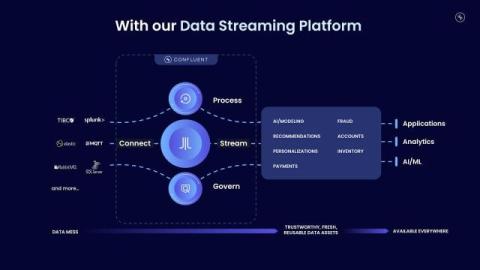
Operational and analytical estates have been separated since data warehouses were first introduced in the 1990s. The operational estate includes microservices, software-as-a-service (SaaS) apps, and enterprise resource planning systems (ERPs) that have become the beating heart of an organization. The analytical estate consists of the data warehouses, lakehouses, artificial intelligence (AI)/machine learning (ML) platforms, and other custom batch workloads that support business analysis and reporting.

Best Practices for GDPR Compliance Testing

Imagine your development team just released a new feature to collect user preferences. Within hours, a data protection complaint from the EU lands on your legal team’s desk. The user claims they can’t delete their account—and worse, their data is being shared without consent. This isn’t a rare occurrence in today’s data-rich world. When GDPR compliance breaks, it’s not just about fines; it’s also about damaged reputation and lost customer trust.

AI is Reshaping Data Centers - Is it Time to Rethink Storage?

As artificial intelligence (AI) reshapes industries, it’s quietly revolutionizing the heart of IT: The data center. The explosive growth of AI workloads is driving up power usage, challenging cooling systems, and demanding a fundamental rethink of how we store and move data. In this new landscape, flash storage stands out – delivering the performance, efficiency, and scalability that AI needs to truly accelerate.

WWDC 2025: Apple's AI, Swift on Android & Liquid Glass

At the 2025 instalment of its WWDC event, Apple set out its long-term vision for how we think about platform strategy, AI integration and multi-device architecture. If you’re a CTO, staff engineer, or mobile lead, this wasn’t just a conference to watch, it was one to plan your entire roadmap around. What Apple revealed at this year’s WWDS will affect everything from your frontend stack to how your systems talk to hardware.

How Database Cloning Eliminates Database Provisioning Bottlenecks for Faster Releases

Dev teams often face delays of days or even weeks waiting for database refreshes. The result? Blocked sprint deadlines and delayed releases. Traditional database provisioning methods often create bottlenecks in DevOps pipelines where speed matters most. But there is a solution to this problem: database cloning. It provides fast, space-efficient copies that speed up development velocity.

CVE Funding Disruption: How Security Teams Can Prepare

The longstanding Common Vulnerability and Exposure (CVE) database has vitally guided security teams for over 20 years, connecting cybersecurity experts, developers, vendors, and researchers in their shared ability to track unknown vulnerabilities in software. But in April of 2025, the MITRE CVE database program was in jeopardy. U.S. government funding for CVE, managed by MITRE and sponsored by CISA, was set to expire. Only in the 11th hour was funding secured, and the contract extended — for now.

Tricentis Testim's locator technologies ensure stable testing

At times, test automation can be a bit of a pain. You spend all this time writing tests, only to have them break the moment someone tweaks a button. Your test suite is now full of red, and you’re stuck debugging instead of shipping features. It’s frustrating and, frankly, it slows everything down.

10 Best Practices for Automated Functional Testing

Automated functional testing is more than just running tests on autopilot. It's a way to ensure that your software behaves as expected, across all features and platforms, without slowing down development. But it’s not automatic by default. To get the most out of your efforts, you need to apply the right strategies from the start. That’s where automated functional testing best practices come in. They help you avoid brittle scripts. They reduce maintenance headaches.

10 Best Practices for Automated Regression Testing

Regression testing helps you make sure that old features still work after new changes are made. With automation, this process becomes faster, more reliable, and easier to scale. But automation can easily become messy. Tests break. Suites grow too large. Bugs slip through. That’s why you need a strategy: one that focuses on the right automated regression testing best practices.

Regression Test Strategy: A How-to Guide That You'll Need

Software updates are inevitable. New features get added. Old bugs get patched. But with every change, there’s one big question: what might break? That’s where a solid regression test strategy comes in. A regression test strategy gives you a reliable process to make sure your existing features still work after each update. Without it, even the smallest change can lead to unexpected bugs in places no one thought to look.