Systems | Development | Analytics | API | Testing

Geolocation Testing: All You Need To Know

You open your Uber app and book a ride. Upon successful booking, a map pops up and shows you the whereabouts of your driver. While in the Uber, you open Zillow, a real estate app, to check out the apartment you want to rent that is located a few kilometers away from your location. The weather app, knowing your location, then sends you a notification to expect rain tomorrow. All of these are examples of the power of geolocation-based app features.

GitTogether | GenAI & Open Source | Kunal Deo

The resurgence of Artificial Intelligence (AI) in recent years owes much to a pivotal moment: the publication of a groundbreaking paper by Google. This event underscores the significant role of Open Source in advancing AI technologies. In this presentation, we delve into how Open Source is not just influencing but also shaping the landscape of Generative AI (GenAI). However, our focus extends beyond the traditional dichotomy of Open Source versus proprietary technologies. Instead, we explore the complementary nature of both realms in fostering the development of the AI ecosystem.

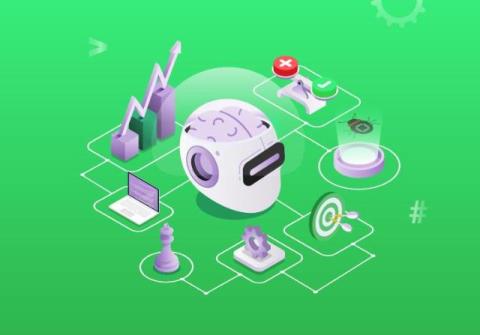
What is Intelligent Process Automation? 5 Key Facts

As generative AI grows in popularity and enterprises scramble to embrace new technology in a scalable, compliant way, it can be difficult to know the right path forward. Your enterprise has already invested in automating processes to free up resources and improve organizational efficiency, but is it enough? This is where intelligent process automation comes into play.

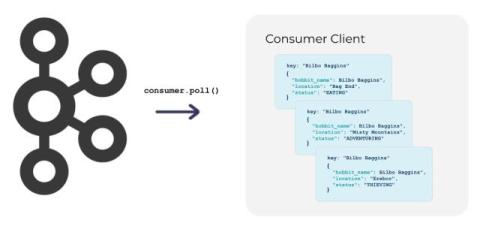
What is a Data Pipeline?

A data pipeline is a series of processes that move raw data from one or more sources to one or more destinations, often transforming and processing the data along the way. Data pipelines are designed to automate the flow of data, enabling efficient and reliable data movement for various purposes, such as data analytics, reporting, or integration with other systems.

Flutter vs React Native: An In-Depth Comparison

Mobile app development demands efficiency, reliability, and speed. Flutter and React Native are popular frameworks that allow you to create apps quickly and efficiently. This post will compares the strengths and weaknesses of each development framework to help you choose the best option for your next project.