
Systems | Development | Analytics | API | Testing

Inside Kraken: Regression Testing With Traffic Replay

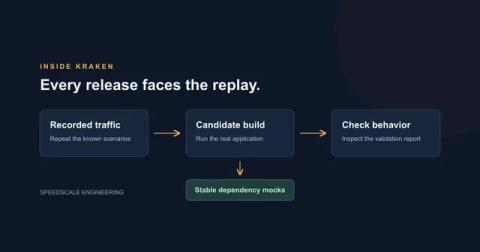
A readiness check should make a release safer. During one release validation, ours kept Kraken’s traffic replays stuck in Initializing until they timed out. The operator was asking Kubernetes for EndpointSlices. Its installed permissions did not allow that request. The code needed a real cluster, the generated permissions, and a replay trying to start before that mistake became obvious. Kraken put those pieces together during release validation.

gRPC Mocks, Tests and Contract Checks From a .proto

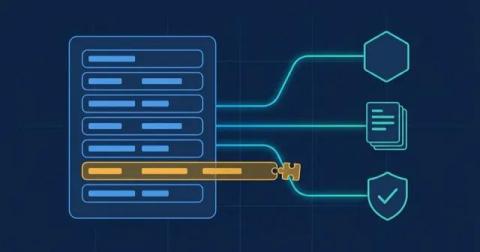
Change one field in a.proto from double to string, and nothing complains. The code compiles, the deploy goes green, and a service still built from the old contract keeps answering with a double. Here’s what Go’s protobuf runtime does when a client on the new contract reads that answer: No error. risk_score comes back empty, and the nine bytes of the double are tucked away as unknown fields.

How Astera Uses ARIA: Data Migration

Moving the data is the easy part. Planning is where data migrations go wrong. Sudais (Growth Strategist) sits down with Nabeel Farooqui (Lead Software Engineer), to talk about how Astera uses ARIA on data migration projects, and what changes when you describe the goal to an agent instead of facing a blank canvas. Nabeel has run migrations with and without ARIA. He explains where projects usually go wrong, how ARIA handles the setup in Centerprise, how to validate the pipeline it builds, and the best practices he's learned along the way.

New Forrester study: Why modernizing data streaming is about more than cost savings

A new Forrester Total Economic Impact (TEI) study commissioned by Confluent, an IBM company and data streaming platform, found that a representative composite organization achieved 137% ROI, USD 2.1 million in net present value and a 10-month payback period. Those are meaningful results. The ROI is notable. What's more interesting is where the value came from. Modernization is often framed as an infrastructure problem. Leaders compare platform costs, migration and operating costs.

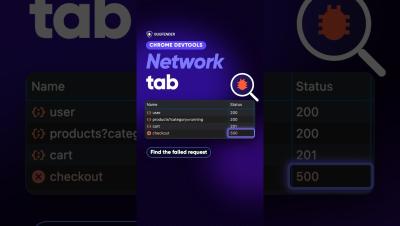
How to Use the Network Tab in Chrome DevTools: Find Failed Requests, Payload and Response #Shorts

How to use the Network tab in Chrome DevTools: open DevTools, reload the page, filter to Fetch/XHR, then click a request to read its Headers, Payload and Response. A status in the 400s or 500s tells you which request failed.

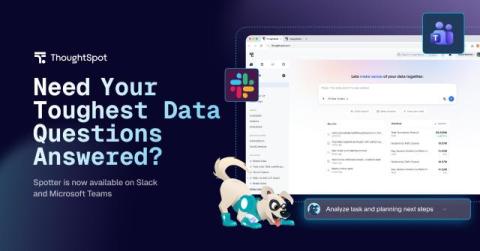
Spotter Is Now Available in Slack and Microsoft Teams

Let’s say a regional sales director posts a soft renewal number in the channel. A teammate asks the question that decides the plan: trend, or seasonal blip? Nobody in the thread can answer, so the thread does what threads do. It moves on, and the plan gets anchored to the most confident opinion in the room. The maddening part: the data existed. It was modeled, governed, correct, sitting in the warehouse the whole time. It's not a data problem; the answer was there.

7 Best Cloud Computer Environments for Autonomous AI Agents

An AI agent can understand a request perfectly and still fail to complete it. The browser loses its authenticated session. A downloaded file disappears when the environment closes. A website presents an unexpected dialog. Two tasks accidentally share the same account state. These failures happen in the execution environment, where an agent's decisions become actions.

OctoPerf 18: Test as Code With K6, and Core Web Vitals for Playwright

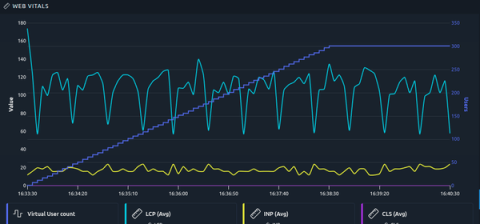
OctoPerf 18.0.0 is out! In version 17 we separated the injection engine from JMeter, and this release is where it starts to pay off: K6 is now available as a load engine next to JMeter and Playwright. Playwright Virtual Users also measure the Core Web Vitals of every page they open. K6 scripts are code, so they usually live in Git next to the application and get reviewed like it. With OctoPerf 18 you can run them without modifying them: This is why we did all that work in OctoPerf 17.