Systems | Development | Analytics | API | Testing

How to Choose AI-Powered ETL for Non-Technical Teams

Data teams spend 45% of their time on data preparation, which stifles business growth and delays critical insights. With the ETL market projected to grow from $533 million to $1.28 billion by 2034, businesses face an overwhelming array of choices. Yet traditional ETL tools require specialized coding expertise that non-technical teams simply don't have, creating dangerous dependencies on overburdened IT departments.

AI-Powered Integration: Turning Complex Workflows into Simple Commands

Data integration has long been one of the most time-intensive parts of enterprise IT. Connecting multiple systems, reconciling formats, and ensuring data reaches its destination reliably often requires weeks of preparation before the first record moves. But with AI-powered integration, that timeline compresses dramatically. What once took weeks can now be designed, validated, and delivered in minutes.

What Is A Test Environment? A Complete Guide For Developers

A test environment is a controlled setting that includes software, hardware, network configuration, test data, and testing tools, where applications can be set up and validated before they are delivered to real users. It can be understood as a safe space for developers and QA engineers to do an assessment of how an application performs under expected real-world usage conditions.

Benchmarking Ingestion Costs and Performance of Qlik Open Lakehouse Vs a Data Warehouse

As the demand for data to power AI models and real-time decision making continues to grow, organizations are increasingly looking for ways to simplify and optimize the ways to ingest, and process fresh data within the enterprise. On average, organizations allocate 20–50% of their annual data warehouse spend on compute for data ingestion, amounting to millions of dollars in costs for large enterprises.

Qlik + Microsoft Fabric Open Mirroring: The Fast Track to Real-Time Data Intelligence

In the AI era – the need for enterprise-wide data—from every operational system—available for instant analytics is real. Microsoft Fabric has fundamentally simplified the modern data estate, centering everything around the flexible, unified power of OneLake. A cornerstone of this platform is Mirroring, a low-latency, low-cost solution designed to break down silos. But for data engineering pioneers, the most exciting development is Open Mirroring.

Access and Prepare Your Data

Join Mike Tarallo live this Friday, November 14th at 10AM ET as he explores the many ways to access and prepare your data in Qlik Cloud. Whether you’re loading from the Data Load Editor with Qlik script, working with registered datasets in the Data Catalog, or streamlining your data prep with Table Recipes, Data Flows, or the Data Manager — this session will help you understand when and why to use each approach.

Achieve Complete Observability Over Your Data Pipelines

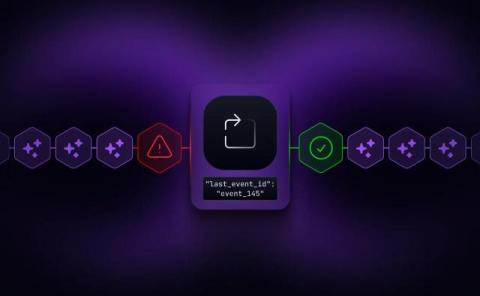
Data teams today manage hundreds of moving parts, from sources and syncs to transformations and warehouses, yet often find out something’s broken only after dashboards go blank or reports turn unreliable. When every second of data downtime affects critical decisions, visibility isn’t optional; it’s essential.