The latest News and Information on Software Testing and related technologies.
Learn how using a real device cloud can help resolve mobile app test errors and help teams streamline debugging. The content of this post is excerpted from the Sauce Labs webinar Resolve Mobile App Test Failures and Errors Faster with Kristian DeVito, Senior Solution Engineer at Sauce Labs. Bad customer experiences on mobile apps are costly—faced with crashes, freezes, or wait times, frustrated users will abandon brands, share negative reviews, or even simply uninstall the app.
The purpose of exploratory testing is to learn how a particular area of your testing is working while using your skills as a tester to offer insightful input to your team. Through exploratory testing, you can ensure that all bugs are detected, and developers can fix them in time for the product release.
The best time to load test your website is when you are in the development phase. This will allow you to identify potential issues before the application is released to the public.
Recent months were very busy for our team and some exciting new releases are coming soon. Meanwhile, in this post, we’re sharing updates to Loadero that took place in November 2022. There are some updates to our API, to the way Loadero works with test run artifacts in the results reports, new browser versions, and the Loadero Python client that we were developing for quite a long time and finally are happy to offer to our users along with examples of using it for storing test data in Github.
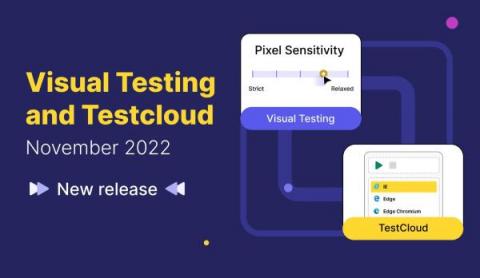
Just in time for the holidays, we have a platform release with some new features and updates.
Learn about what's new in WebdriverIO v8. The primary goal for the new version of WebdriverIO was to transition from CommonJS to ESM in order to continue with important dependency updates and avoid security issues. Furthermore, we cleaned up some code, implemented a new Action API interface and streamlined the way WebdriverIO deals with global objects using the test runner.