Systems | Development | Analytics | API | Testing

Modern Software Development For Today's Systems & Applications

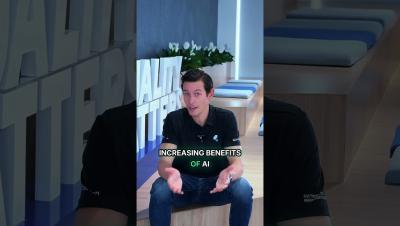
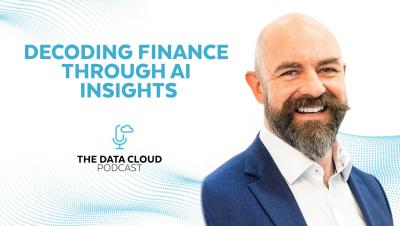
AI and the Future of Finance: Decoding Earnings Calls
In this episode, Dana Gardner, Principal Analyst at Interarbor Solutions is joined by Liam Hynes, Global Head of New Product Development at S&P Global Market Intelligence. They discuss how S&P Global Market Intelligence utilizes AI to analyze corporate earnings calls to guide and improve financial reporting. These insights help businesses enhance communication, refine executive performance, and predict market outcomes. The conversation also highlights the use of Snowflake Cortex AI platform and the importance of data-driven decision-making in the financial sector.

How QA teams can leverage AI assistants
AI has been booming and has become a transformative force in several industries, software testing and QA are no different. With the evolution of technology and complexity of applications, automation and big-volume data analysis require extra assistance, and that’s where AI might come in handy. In QA, AI could help improve the efficiency of test management tasks, reducing manual effort.

Introducing Perforce Intelligence: The Next Level in DevOps AI | 2025
Perforce Intelligence transforms AI from hype to the heart of your DevOps lifecycle. Deliver real business outcomes with trusted, enterprise-grade AI built for speed, scale, and impact. Turn AI ambitions into real results!
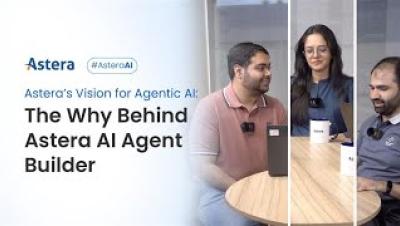
Astera's Vision for Agentic AI: The Why Behind Astera AI Agent Builder
Curious to know what inspired the creation of the Astera AI Agent Builder – the fastest way to build, test and launch autonomous AI agents with your enterprise data? In the first episode of Round Table Series, join our AI Product Strategist Ayesha Amjad, AI Product Specialist Muhammad Hasham Qazi, and Software Architect Humza Khatri as they share the story behind the innovation. They’ll talk about the reasons that sparked the idea, the challenges they tackled, and how they’re shaping the future of AI-powered agents with Astera.
AI Chat Agent | Devant by WSO2
It covers the full workflow, from ingesting documents into a vector database of your choice, to setting up and deploying the AI Agent, showcasing how you can configure data retrieval for precise and concise responses.. Learn more : wso2.com/devant.
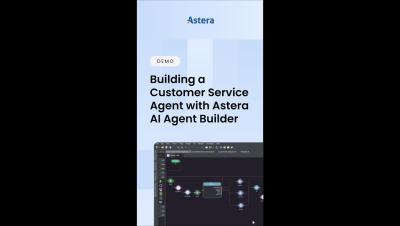
How I Built an AI Agent to Automate Customer Support - No Complex Coding Required
What if you could build your own customer service agent that handles real-world support queries automatically, saving time for both customers and our team? Maryam Ahmad from our PRD team did just that using Astera’s low-code and drag-and-drop interface. With Astera AI Agent Builder, Maryam created an intelligent agent designed to handle key customer service tasks for an e-commerce platform: checking order status, cancelling orders, and providing information on refund and return policies, all through a seamless conversational interface.

How to Master AI/LLM Traffic Management with Intelligent Gateways
As businesses increasingly harness the power of artificial intelligence (AI) and large language models (LLMs), a new challenge emerges: managing the deluge of AI requests flooding systems. This exponential growth in AI traffic creates what could be considered a gratifying predicament—high demand for your AI services—but also introduces complex challenges that must be addressed for sustainable operations.

Is Your AI Ready for 2025? AI Automation Testing Strategies and Trends
Artificial Intelligence (AI) is revolutionizing industries worldwide, making it indispensable for modern businesses. However, this rapid growth brings a challenge—traditional testing methods are no longer sufficient to ensure the reliability and quality of complex, data-driven AI systems that are prone to bias. To succeed in 2025, organizations must adopt specialized AI automation testing strategies that validate performance and maintain consumer trust.
Building AI Agents: 6 Tips for Success
AI has evolved rapidly—from basic algorithms that suggested content to generative models that create it. Now, we're entering the AI agent era. AI agents refer to sophisticated AI systems that use reasoning and iterative problem solving to achieve specific goals. Instead of waiting for instructions, they adapt and take initiative. Agentic AI has transformative potential for enterprises.