Systems | Development | Analytics | API | Testing

Using Artificial Intelligence to Interact with the Stock Market | Snowflake Inc.

Michael O'Rourke, SVP of Machine Intelligence at NASDAQ, discusses how NASDAQ integrates artificial intelligence and machine learning models to identify trends, provide data solutions, & detect Stock Market abuse. Rise of the Data Cloud is brought to you by Snowflake.

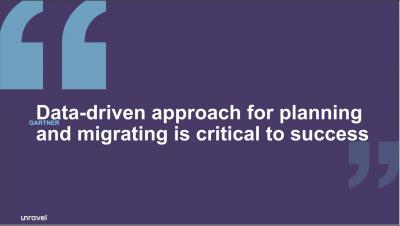
Ten Steps to Cloud Migration

In cloud migration, also known as “move to cloud,” you move existing data processing tasks to a cloud platform, such as Amazon Webservices (AWS), Microsoft Azure, or Google Cloud Platform, to private clouds, and-or to hybrid cloud solutions. See our blog post, What is Cloud Migration, for an introduction. Figure 1: Steps in cloud migration.

Snowflake Workloads Explained: Data Engineering

Snowflake streamlines data engineering, while delivering performance and reliability. Learn how with Snowflake, data engineers can spend little to no time managing infrastructure, avoiding such tasks as capacity planning and concurrency handling. Instead, they can focus on more value-add activities towards delivering your data.

Snowflake Workloads Explained: Data Applications

Snowflake’s platform powers applications with virtually unlimited performance, concurrency, and scale. Launch new features faster with simplified data pipelines and improved engineering efficiency. Delivered as a service, Snowflake handles the infrastructure complexity, so you can focus on innovating with the data applications you build.

An Overview of Real Time Data Warehousing on Cloudera

Users today are asking ever more from their data warehouse. This is resulting in advancements of what is provided by the technology, and a resulting shift in the art of the possible. As an example of this, in this post we look at Real Time Data Warehousing (RTDW), which is a category of use cases customers are building on Cloudera and which is becoming more and more common amongst our customers.

Analytics Experience Explained

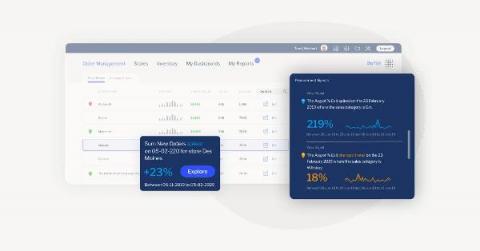
One of the really big trends that we're seeing in the analytics space, is the move towards talking about the analytics experience. Analytics experience is about supporting or triggering decisions and transactions. This is a shift from what I would describe as the passive use of analytics, where people were expected to use dashboards and reports that didn't add a lot of value to their transactions or decision making. The difference sounds subtle, but it's really quite profound.