Systems | Development | Analytics | API | Testing

How to Write a PRD: Your Complete Guide to Product Requirements Documents

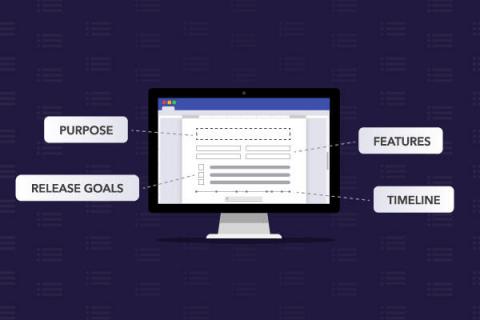
A Product Requirements Document (PRD) articulates the purpose, features, and functionality of a product. It is a blueprint for development teams to understand: While the exhaustive PRDs of the past are less common in today's Agile landscape, their core function remains the same: to align all stakeholders so that everyone from product managers to developers and testers shares a common vision.

Get more from your Python integration testing with Honeybadger

Integration testing is an essential part of development, ensuring applications can survive the rigors of deployment and function in the real world. Getting the most out of them is key. It’s about making sure you write meaningful tests that ensure your code works as expected. If you’re running integration tests in Python, you may appreciate better visibility and deeper insights into application errors.

RAG Chatbot: The future of Enterprise Knowledge Automation

We’re entering a phase where AI can draft emails, resolve tickets, summarise complex information, and occasionally present fiction as fact with equal conviction. Generative AI has become incredibly powerful, but in enterprise environments, power without precision quickly becomes a risk rather than an advantage. This is exactly where the shift is happening.

How to Leverage Moesif Effectively for API Observability

You can make your API observability posture more powerful and beneficial by treating Moesif as an engineering implement. The platform automatically captures API traffic out-of-the-box and provides actionable analytics and visualizations. However, the degrees to which they precisely and empirically illustrate the data, depend on where and how you’ve integrated Moesif.

How to Build an Internal Chargeback Model for Your API and AI Usage Using Moesif

API and AI services now sit at the heart of modern products. However, the more we use them, the harder it seems to become to account for the budget. Launching an AI product often leads to massive end-of-period bills. This requires attributing costs to the key internal power users and consumption drivers. The challenge is identifying the departments, products, or projects responsible for the consumption, and the extent to which they contribute.

DreamFactory vs Postman: API Generation vs API Testing and Development

DreamFactory and Postman serve fundamentally different roles in the API development lifecycle. DreamFactory is an API generation and backend platform that automatically creates production-ready REST APIs from databases and other data sources, while Postman is an API development environment focused on testing, documentation, and collaboration. Though both platforms involve API management, DreamFactory generates and deploys APIs while Postman helps developers test and consume them.

The Spring Upgrade Dilemma: Move Fast or Stay Stable?

Keeping up with the Spring Framework and Spring Boot release schedule, where new versions come out twice a year, is a hassle for many Java teams. This video weighs the pros and cons of frequently upgrading Spring versus staying on older versions. Being on the latest version means access to new features and security updates, but is the potential instability and extra work (i.e. testing, retuning dependencies) worth it?