

Systems | Development | Analytics | API | Testing

How to build a Copilot agent

A customer recently shared their debugging workflow with me. When an error shows up in Honeybadger, they import it to Linear, manually add context about where to look in the codebase, then assign GitHub Copilot to investigate. It works, but they asked a good question: could Copilot just access Honeybadger directly? The answer is yes—and it's easier than I expected.


Escaping the Integration Tax: Why Your Partners Are Stuck in Limbo (and How to Onboard in Days, Not Months)

In a high-interest-rate environment, the most expensive asset a bank can hold is a signed partner contract that isn’t generating transaction revenue. For many regional banks, the 4–6 month gap between “contract signed” and “first transaction” is driven by manual compliance reviews, fragmented security processes, and custom integration work that delays go-live. We call this the “Integration Tax.”

Best 5 Tools for Monitoring AI-Generated Code in Production Environments

AI-generated code is no longer experimental. It is actively running in production environments across SaaS platforms, fintech systems, marketplaces, internal tools, and customer-facing applications. From AI copilots assisting developers to autonomous agents opening pull requests, the volume of machine-generated code entering production has increased dramatically. This shift has created a new operational challenge: how do you reliably monitor AI-generated code once it is live?

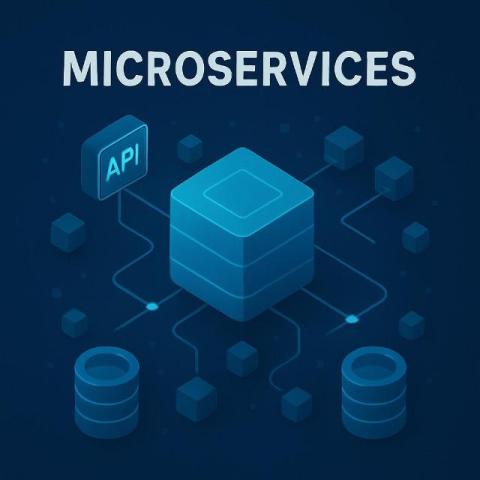
Top Microservices Examples & Guides - DreamFactory

DreamFactory is a secure, self-hosted enterprise data access platform that provides governed API access to any data source, connecting enterprise applications and on-prem LLMs with role-based access and identity passthrough. During the last 10 years, microservices-based applications have benefited global enterprises by providing them with massive scalability, greater agility, more highly available systems, and improved operational efficiency.

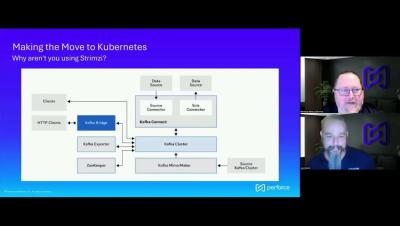
Running Kafka in Kubernetes: What We Learned

Apache Kafka is mission-critical for many organizations—but where you deploy it matters just as much as how you use it. In this video, two OpenLogic experts discuss why they increasingly encourage customers to move their Kafka clusters to Kubernetes and utilize the Strimzi operator, and what that shift unlocks from an operational, scalability, and resilience standpoint.

Common Kafka Anti Patterns and How to Avoid Them

Kafka is powerful—but common Kafka mistakes can quietly undermine performance, reliability, and scalability. In this video, two OpenLogic experts break down the most frequent Kafka anti-patterns they see in real customer environments—and how to avoid them. Based on hands-on experience fixing production Kafka clusters, this discussion covers: If you’re running Apache Kafka in production—or planning to—this video will help you spot Kafka mistakes early and apply proven best practices to build a more stable, scalable event streaming platform.

Building Bitrise's AI platform: Scaling AI features across teams

This is the fourth and final installment in our series about bringing AI to Bitrise. In Part 1, we explained why we built our own AI coding agent. Part 2 covered our browser-integrated AI Assistant. Part 3 detailed how we brought AI to the Bitrise Build Cloud. In this final post, we'll explore how we unified these efforts into a cohesive AI Platform.