What is HR analytics and why do you need it?
HR analytics enables companies to use people data to drive success in hiring, retention, total rewards and employee satisfaction.


HR analytics enables companies to use people data to drive success in hiring, retention, total rewards and employee satisfaction.
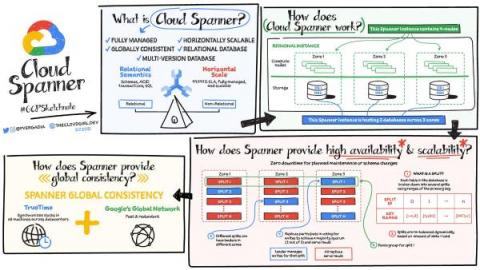
As businesses scale to meet the demands of their customers, so do their need for efficient products to collect, manage and analyze data to meet their business goals. Whether you are building a multi-player game or a global e-commerce platform, it's critical to ensure that data can be stored and queried at scale with strong consistency and then processed for analysis to deliver real-time insights.
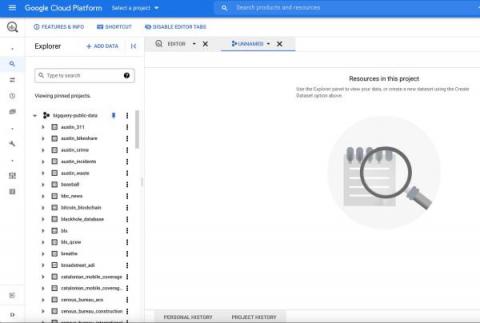
Geographical data is one of the critical datasets for data-driven organizations to make informed business decisions. As the data is growing more than ever before, it’s becoming more challenging to manage and analyze mammoth datasets using traditional databases, this is true for geographical data as well as it requires significant computational power to process. Esri has been one of the leading companies in Geospatial software development since 1969.
Development time is precious. Developers are highly-skilled and highly-paid, and so naturally you want to make sure that they are as productive as possible. Many organizations are starting to hire Developer Experience Engineers to make sure that their developers are using the best tools and processes possible. To make developers more productive, the first step is to figure out exactly what developers are actually doing. Then, we need to figure out what we want them to do.
Any software application must work properly, generate the right results, satisfy stakeholders, and fit into the organization's overall objectives. Automated testing can help. It may sound easy, but we all know that achieving all of the above takes a lot of effort. Can we take a shortcut without compromising quality or causing costs to explode?
The word “isolate” shouldn’t be new to you — since the pandemic started, it has become a buzzword. Chances are you’ve also heard the term used in relation to Flutter, but what exactly is an isolate in this context? How does Dart execute code? How do you implement a isolate? All these questions will be answered in this article. If you’re a beginner in Flutter development, this article is for you, as I’ve tried to simplify a lot of concepts.
Still waiting for ML training to be over? Tired of running experiments manually? Not sure how to reproduce results? Wasting too much of your time on devops and data wrangling? Spending lots of time tinkering around with data science is okay if you’re a hobbyist, but data science models are meant to be incorporated into real business applications. Businesses won’t invest in data science if they don’t see a positive ROI.