Systems | Development | Analytics | API | Testing

Navigating Nested Maps in Katalon Studio: Finding Values Without Key Specification

The information in this blog post is based on a real-life scenario shared by a user on our Katalon Community forum and is intended to inspire peer-to-peer discussion and collaboration. Please always test solutions thoroughly before implementing them in a production environment. Feel free to continue the discussion here.

What Companies Get Wrong About Data Ownership and What to Do Instead

Most companies believe they own their customer data. Most are wrong. Data is your most powerful asset for fueling decisions, improving customer experiences, and providing a competitive edge. But if your customer, marketing, or product teams rely on third-party analytics tools, there’s a great chance you don’t actually own your data. It’s processed, stored, and sometimes even monetized by vendors who decide your access and control levels.

The Easiest Way to Power Real-Time AI: Confluent Announces Delta Lake Support & Unity Catalog Integration for Tableflow

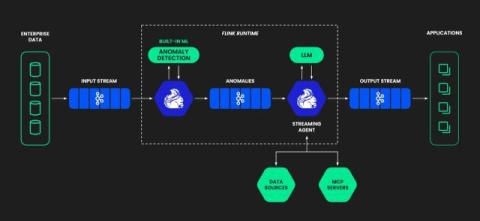
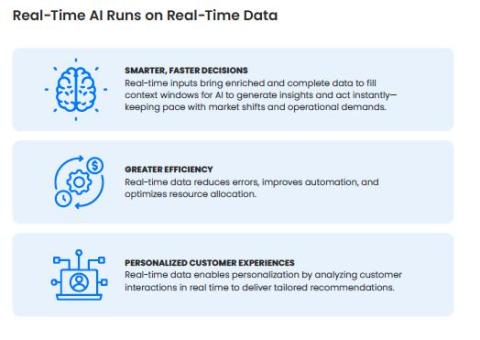
In the age of AI, the hunger for fresh, reliable data to power machine learning (ML) models and real-time analytics is insatiable. Yet, organizations frequently hit roadblocks when trying to bridge their operational data in motion, typically flowing through Apache Kafka, with their data at rest in data lakehouses. On one side, you have the data streaming platform, the central nervous system managing the real-time flow of business events.

What Is Code Refactoring?

Have you ever looked at your code and asked yourself, "Who wrote this mess??" And suddenly you realized it is none other than you. I’ve faced this situation a lot—your own code seems like a mess if you review it after 2 or 3 months. Do you know the reason why? Yes, it’s because there is no refactoring in the code In this blog, we’ll explore what code refactoring is, why it’s important, and walk through a few examples.

Driving Innovation with NVIDIA AI Data Platform: A View from Hitachi Vantara

The rapid acceleration of AI adoption is transforming how enterprises design their data infrastructure, driving the need for robust, scalable, and energy-efficient solutions. At Hitachi Vantara, we’re building the future of AI storage by collaborating with NVIDIA to close the gap between data and AI compute. Our mission: help organizations unlock faster, smarter insights with an AI-ready data pipeline.

Is Power BI Embedded Right for You? A Comparative Guide

Microsoft Power BI is a ubiquitous business intelligence (BI) solution entry point that can create a good foundation for analytics capabilities at any company. Its Power BI Embedded tier allows for embedding data visualizations, dashboards and reports into your applications, while using the broader Microsoft Azure Cloud infrastructure. The key challenges Power BI Embedded presents, however, is complexity.

Redefining Product Design: How AI Transforms Workflow, Speed, and Execution

In design, time has always been more than just a resource — it’s a key metric of competitiveness, and today, it matters more than ever. With generative AI accelerating every phase of product development, the stakes are rising fast, triggering a sharp rise in demand for AI-driven design tools. According to Precedence Research, the global generative AI in design market is projected to grow from $741.11 million in 2024 to over $13.9 billion by 2034, expanding at a CAGR of 34.11%.

10 Essential Gherkin Best Practices for Effective BDD Testing

The Gherkin language has transformed how development teams approach behavior-driven development, creating a bridge between technical implementation and business requirements. By providing a common vocabulary that all stakeholders can understand, Gherkin enables teams to create living documentation that drives high-quality software delivery.