Systems | Development | Analytics | API | Testing

Vibe Coding Economically: Which Framework Is the Cheapest? (Rails vs Django vs Laravel)

Token costs used to be something most developers ignored. They simply dismissed them as theoretical. Now, they’re showing up in your Cursor/Claude Code bill, in every pasted error, in that package the AI pulled in without asking, or in that clarification round you didn’t plan for. Most developers choose a framework based on what they've used before, what the job description asks for, or simply whatever was used on their last project.

From ARR to Execution: How PropTech Vendors Forecast Growth That Holds

A growth forecast is only useful if your business can deliver on it. Many PropTech companies project ARR growth without fully accounting for the systems, integrations, implementation capacity, and engineering effort required to support it. The result is predictable: sales targets are met, but delivery teams struggle to keep pace. The strongest forecasts connect revenue goals with operational reality.

A Guide to Building Brand Identity in Appian

When we develop applications, we sometimes only focus on the “how”—how to build the processes, how to architect the data structure, and how to encode the correct logic. But for users, the "what" is their reality—and sometimes that’s overlooked during development. An application that looks and feels like your brand identity isn't just visually appealing. It builds trust, reduces cognitive load, and makes your application more enjoyable for your users.

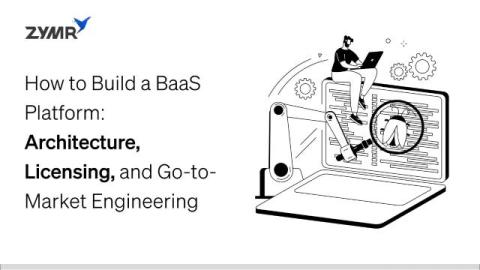
How to Build a BaaS Platform: Architecture, Licensing, and Go-to-Market Engineering

Banking as a Service is no longer sitting quietly behind fintech apps. It is becoming the infrastructure layer powering modern digital businesses. SaaS platforms want wallets and embedded payments. Ecommerce companies want merchant banking features. Healthcare apps want financing and payout rails built directly into patient workflows. According to Bain & Company, embedded finance transaction value in the US alone could exceed $7 trillion by 2026.

Why your AI UX keeps breaking (and what to do about it)

I ran a webinar on this recently and had more to say than the time allowed, so this is the written version: the argument I was making, some context on the demo, and the questions that came up from people watching. The recording is below if you'd rather watch than read. The thesis: AI products are being let down by the user experience, not the model.

Five things your logs will never tell you

A customer escalation hit my queue when I was on the customer smoke jumpers team at an observability vendor. My team was the group that parachutes into Fortune 500 accounts one bad week from churning and usually after a big customer outage. The customer had filed a billing dispute three weeks earlier and their on-call engineers were stuck. They had our full stack: logs, metrics, traces, end-to-end instrumentation, every product we sold and some we didn’t. They could see the request came in.

The death of the dashboard: why agentic AI is choking on legacy observability tools

Dashboards, sampling, and data lakes were built for human debugging. Closing the bug-to-fix loop for AI agents requires rethinking how runtime data is collected and correlated. Observability as we know it is on its way out. For over a decade, we built telemetry stacks around a single consumer: a human, staring at a dashboard, trying to make sense of a system under stress.